Understanding a wide-format printer’s anatomy is vital before investing. A machine’s performance relies on integrating high-quality subsystems, from printheads and ink management to a stable chassis. Evaluating these individual components, alongside software and manufacturer support, ensures you choose a reliable system that balances print quality with long-term operational productivity.
All commercial printing machines, from the smallest roll-fed devices to the largest presses, are a collection of different components and subsystems, not to mention the various consumables that work with them. The overall performance is dependent on both the quality of the individual parts and the way they have been integrated together. So, before investing in any one printer, it’s best to understand how those various parts fit together and what questions to ask from your supplier.
Most manufacturers of original equipment will start off by deciding the price point they want to sell the printer at, and the degree of profit they want, which will determine how much they can spend on building each machine. From there they will develop a list of the features needed to be competitive at that market price and what they want to prioritise as their main competitive edge. That might be low price, excellent print imaging or high reliability, but in any case it will determine the overall quality of parts they use and the areas they spend most time or capital on getting right.
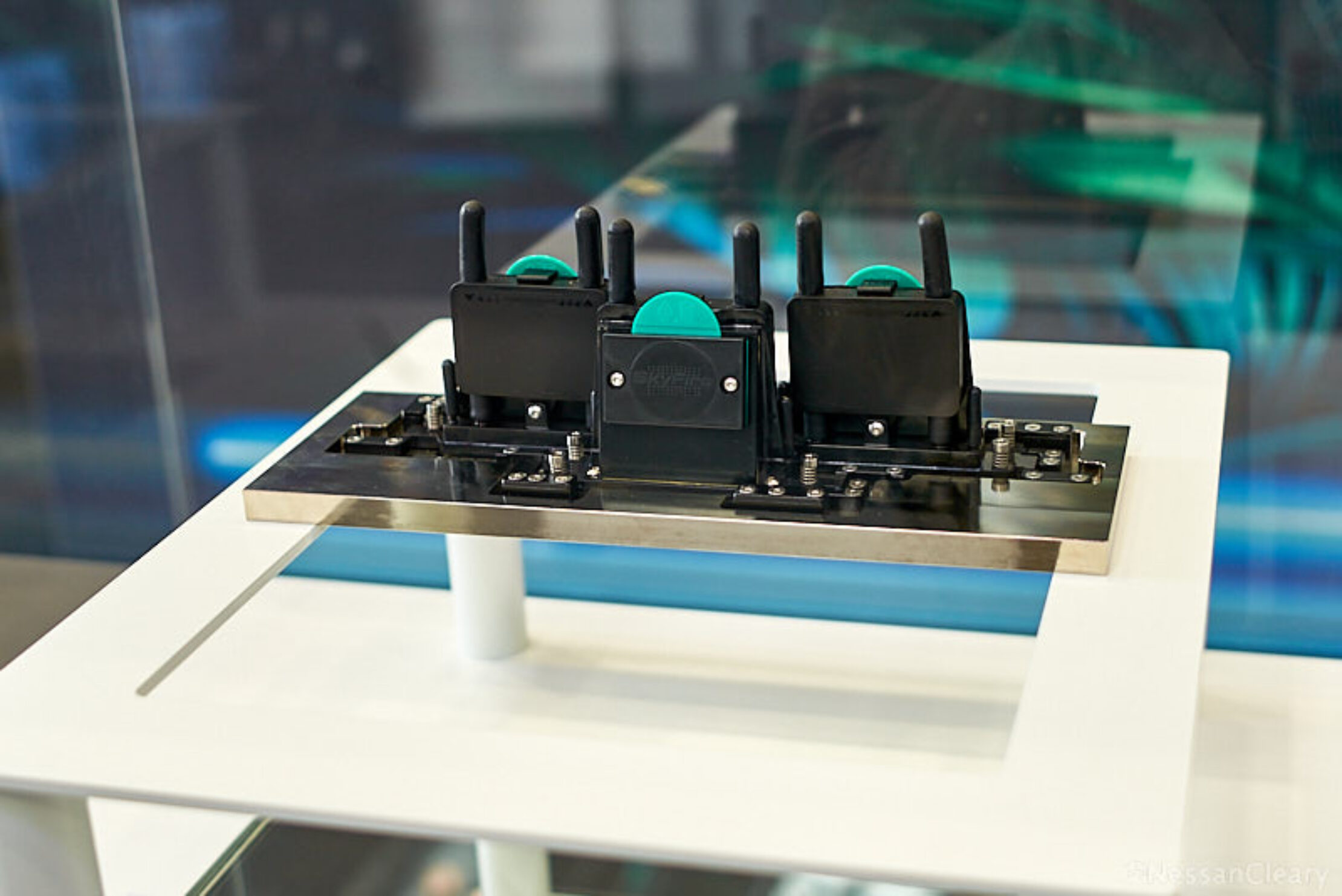
The most important single component within any printer will probably be the printheads, which will determine the overall print speed and image quality. Replacing heads is expensive but there are a number of factors that can reduce that. Firstly, there should be adequate sensors and guards around the nozzle plate to protect against the media coming into contact with the nozzles – usually caused by wrinkles or warping within the media, or even just tools accidentally left on top of the media before printing.
You should also look at the cleaning regime around the heads, as blocked heads are the most common source of head failures. Ideally there should be regular automated cleaning routines with an option for manual cleaning when needed. You can get an idea as to how confident the manufacturer is in the cleaning from whether or not replacement heads are covered under warranty.
The next area to look at is the ink and the management system around it to pump the ink from the tanks to the printhead. For some ink – especially white – there should be a recirculation system to keep the ink moving and prevent the heavier titanium dioxide particles from collecting at the bottom of the tank. Ideally the recirculation should go right down to the nozzles; if it doesn’t, then its usually because the OEM used cheaper heads without recirculation features. Also, it’s hard to overstate the importance of filters within the ink system as these will catch impurities in the ink that would otherwise risk clogging the nozzles in the print head.
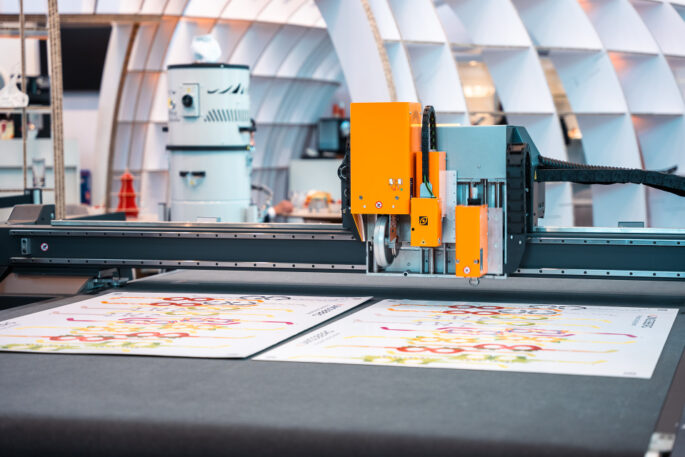
Next, there is the chassis of the printer, which must be heavy enough to damp down any movements. Almost all wide format printers take a scanning or multi-pass approach, with the printheads building up each swathe of an image by scanning back and forth to make multiple passes over the substrate and this movement will cause vibrations throughout the printer. And of course the entire shuttle or head carriage holding the printheads has to move up and down the gantry, usually on a rail. Ideally you want the head carriage to move smoothly in both directions.
In addition, with a flatbed printer, the media will sit still on the bed while the gantry that holds the print carriage moves up the length of the bed. In both cases, with the head shuttle and the gantry, the subsystems and encoders that govern these movements play a critical role in ensuring that the heads are in the right place. This is often where OEMs will look to make savings but these movements determine how quickly the heads can be moved into position, which directly affects the overall productivity of the printer.
If the ink is UV-curable, then there will be lamps on the head carriage. One of the often overlooked advantages of LED arrays is that they are much lighter than conventional mercury-based lamps, which helps to reduce the overall weight of the head carriage and the stress on the movement system.
If the inks are water-based or eco-solvent then there will be a heaters around the platen to help dry out the inks. More heaters will translate into faster drying, meaning that the prints can be wound faster onto the take-up roll. For this reason some eco-solvent printers are sold with an option for additional drying, which is essential if you want to run at the fastest print modes.
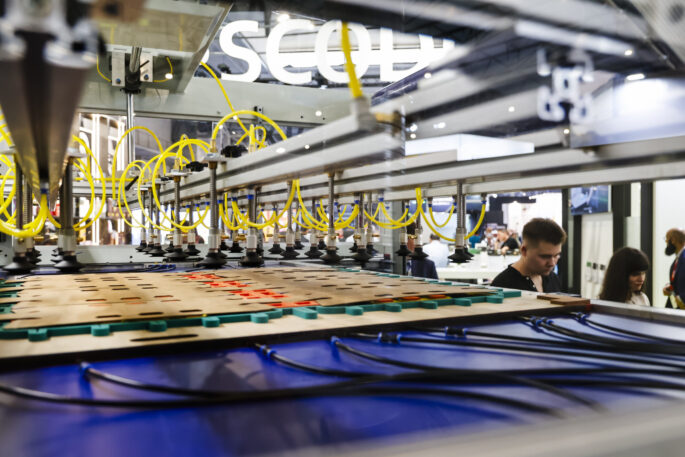
Flatbed printers, and some hybrids, will use a vacuum system to hold the media flat. It should be possible to split the bed into different vacuum zones so that you can load and unload different areas, and also to reduce energy consumption with smaller media. The quality of the motor used to create the vacuum will determine how useful it is at keeping substrates in place. Not all vacuum systems are the same, and a failure here will stop production for a service call-out.
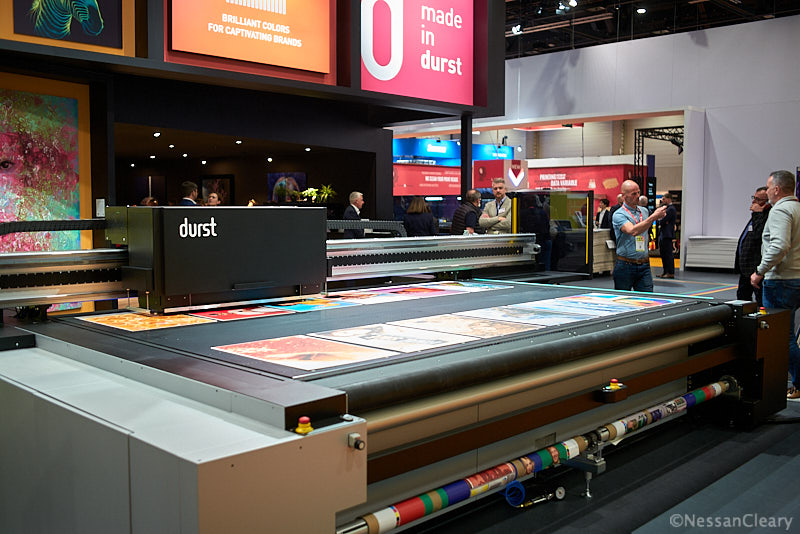
Modern wide format printers also come with a whole battery of sensors to monitor different subsystems on the printer and ensure that they are performing within their specified tolerances. In most cases these sensors will be linked to a remote diagnostic system – some vendors such as Durst and EFI take this very seriously and will be able to warn users of developing problems before they become noticeable. This gives customers a better chance of avoiding sudden failures whilst printing and for planning their maintenance around shift changes.
The software is just as important to the overall running of the machine as the hardware is. Most wide format printers nowadays will come with a RIP server though you may have an option to specify a different RIP. The RIP will have its own cost but the more of the heavy lifting that can be done by the software, the less that needs to be spent on the server hardware. Often there will be a balance between the performance level of the chip driving the server, or of some of the other electronic cards such as the graphics processor, and the amount of RAM supplied.
Finally, customers should note that the actual printer is only part of the overall package – albeit the biggest part. Equally important is the degree of support around the hardware. That includes some training, plus further sales and supply for all the necessary consumables and parts, as well as the continuing servicing, which these days should include some remote diagnostics help. All of these things should be considered alongside the specifications for the print hardware as they will determine the overall uptime and cost of the printer.
Discover more content on corrugated packaging