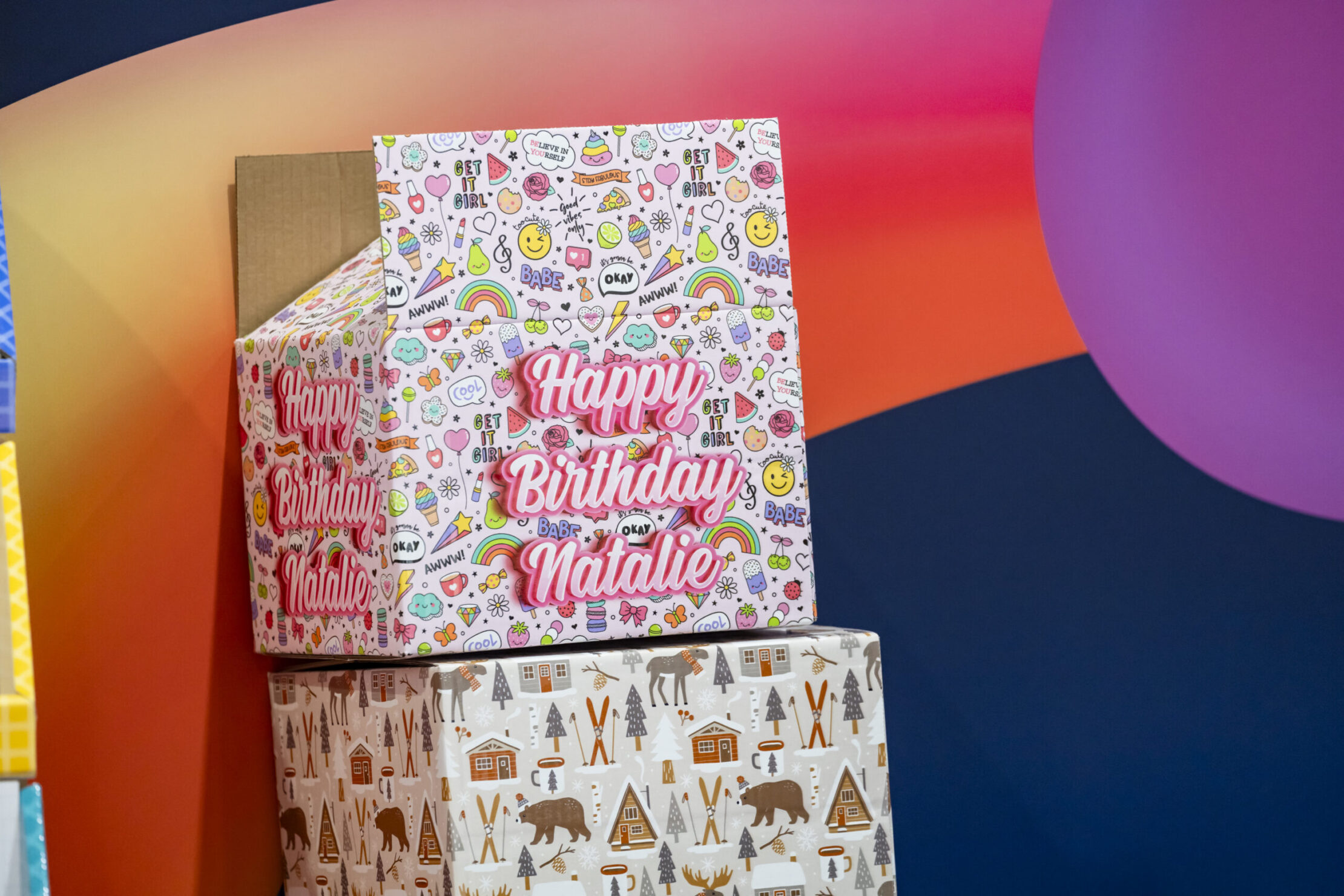
Ahead of Personalisation Experience 2026, Jon Bailey, CEO of Precision Proco, and speaker at The FESPA Conference, shares his perspective on how personalisation is evolving and what it means for print businesses.
A few years ago, personalisation often meant adding a name or changing a design. Today, brands are aiming for something more considered – something that feels relevant, timely and connected to the overall customer experience.
This shift is redefining the role personalisation plays in print. What was once a value-add is now central to how brands build relationships, create memorable interactions and stand out. Increasingly, the real value lies not just in making something custom, but in making it meaningful too.
Personalisation is now expected
The baseline for the expectation of personalisation has changed. Customers increasingly assume brands will understand who they are, and reflect this in communications and experiences.
Research from McKinsey & Company shows that 71% of consumers expect personalised interactions, while 76% feel frustrated when this doesn’t happen. As Bailey says, personalisation is “no longer a nice to have; it’s expected”.
For print businesses, this changes the conversation. It is not enough to demonstrate what personalised print can do; the value lies in helping brands create experiences that feel genuinely relevant and useful.
Why emotion matters
Emotion has always played a role in personalisation. People naturally respond to things that feel personal, whether that is their name, their preferences or something that arrives at the right moment.
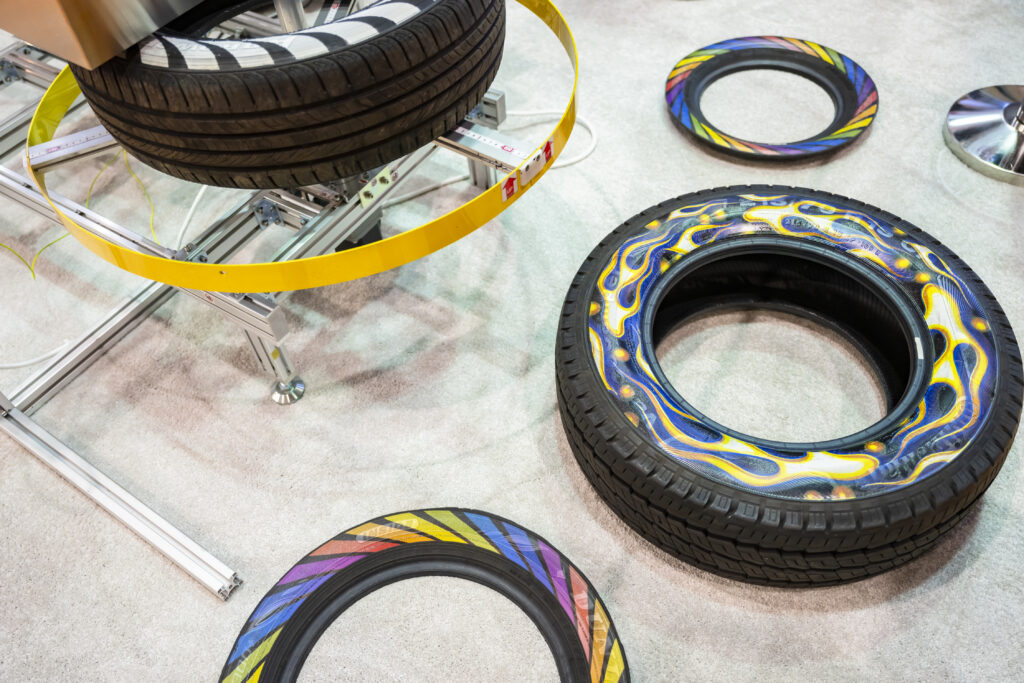
Bailey points to a simple truth: people are drawn to what feels like it belongs to them. That emotional response is often what makes an experience memorable.
This is where personalisation moves beyond surface-level customisation. It becomes part of the broader brand experience by shaping how a customer feels, rather than just what they see.
From personal to meaningful
There is a clear difference between something being personalised and something feeling meaningful. A campaign can use customer data and still feel generic. What matters is relevance in context, whether the message aligns with where the customer is in their journey and what they need at that moment.
Timing plays a key role here. Personalisation works best when it feels appropriate and considered, rather than forced. It can be overt, but it can also be subtle – embedded in the overall experience, rather than standing out as a single feature.
For print, this is where the strength of personalisation lies. Physical formats can make it feel more deliberate and more tangible – but that only works if the thinking goes beyond variable data and focuses on what the recipient will notice and remember.
A bigger opportunity for print
This shift creates opportunities – and pressure – for print service providers. High-growth companies already generate significantly more revenue from personalisation than their competitors, which shows how closely it is tied to performance.
As brands look for more relevant and emotionally aware approaches, print providers have the chance to take on a more strategic role.
The goal is no longer just satisfaction. Customers can easily switch brands. What matters now is building stronger connections that encourage repeat engagement and recommendation. Research shows that 78% of consumers are more likely to buy again and recommend brands that personalise effectively.
For PSPs, this means asking better questions. Not just what needs to be produced, but who it is for, how it should feel, and where it fits within the wider customer journey.
PSPs that can do this well move beyond production, and into partnership.
What comes next?
The future of personalisation will not be driven by technology alone. While tools and automation will continue to evolve, they are only part of the picture.
What matters is whether personalisation feels useful, relevant and human.
Brands that succeed will focus on creating experiences that are thoughtful and well-timed. For print, this presents a strong opportunity. When done well, physical personalisation can feel more considered and memorable than digital alone.
Discover more at Personalisation Experience 2026
To explore how personalisation is evolving across print, packaging and customer experience, Personalisation Experience 2026 is the place to do so. Taking place as co-located event, as part of FESPA 2026, in Barcelona from 19–22 May 2026, Personalisation Experience will bring together brands, printers, technology specialists and creative experts to share ideas, applications and insight into the future of personalised print.