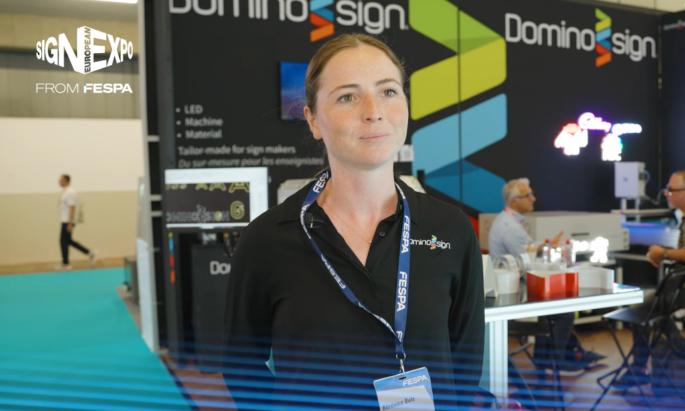
Digitalization has filled public spaces with screens. At the same time, however, many consumers are growing increasingly fatigued by digital media. This could become a problem for digital signage. How can the printing and advertising industries counter this trend?
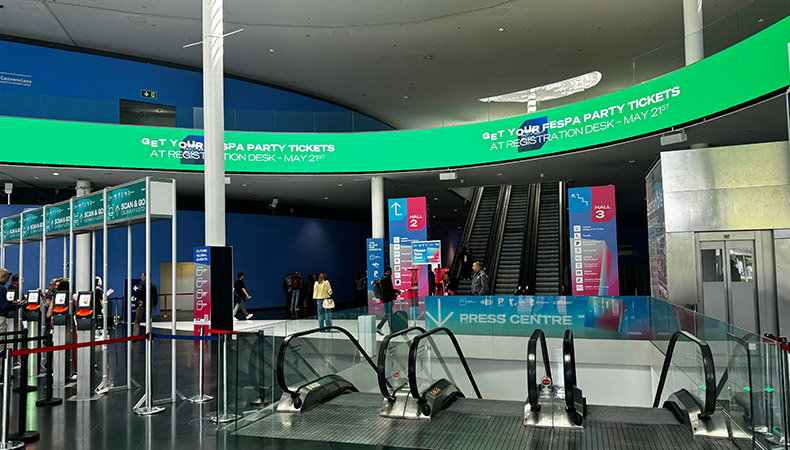
Whether it’s an exhibition center, a flagship store, or a train station: digital communication is shaping public spaces more than ever before. That’s why digital signage has been one of the most dynamic segments of the advertising technology industry for years, particularly in out-of-home advertising (DOOH).
Now, however, the triumphant advance of advertising screens paradoxically threatens to be undone by its own success. This is because the rapid and widespread digitization of recent years has led many people to experience a sense of“digital fatigue.”This is the result of constant sensory overload from digital content. Consumers are online around the clock. Canadian social scientists Anabel Quan-Haase and Barry Wellman coined the term “hyperconnectivity” to describe this phenomenon.
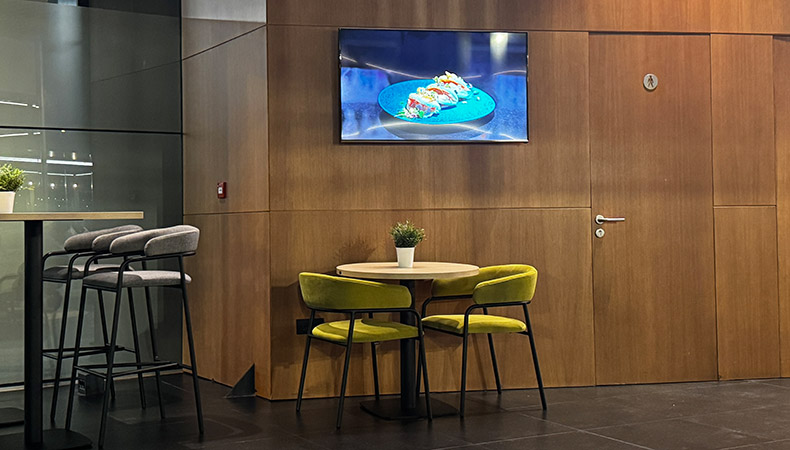
Digital Fatigue: A Threat to Advertising
According to a representative survey conducted in 2024 by the industry association Bitkom, more than one-third of Germans want to go without their smartphones and the internet for hours or days at a time as part of a “digital detox.”
However, this calls into question the effectiveness of many communication strategies. Studies also show that people who are exposed to thousands of advertising messages every day consciously or unconsciously tune out a significant portion of them. In marketing, this phenomenon is often referred to as “ad fatigue.”
Typical symptoms include a shorter attention span, a reduced emotional response to content, and increasing “banner blindness.” In addition, consumers are developing strategies to actively avoid advertising messages, such as deliberately ignoring screens or using ad blockers on their personal devices.
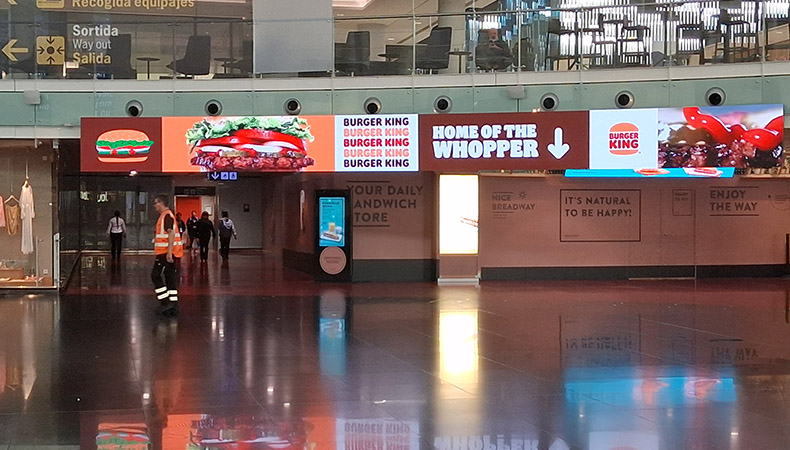
Digital Fatigue: Is Digital Signage Already Affected?
Digital signage has long been regarded as an attention-grabbing feature in public spaces. Moving images, high brightness, and dynamic content gave the medium clear advantages over static advertising media in many applications. However, as digital displays become more widespread, this effect is no longer taken for granted.
While recent studies show that digital signage is still a highly effective medium with a measurable impact on purchasing decisions, up to 83 percent of the content is remembered. A significant proportion of consumers make purchasing decisions based on DOOH content—that is, advertising screens in public spaces.
Nevertheless—or perhaps precisely because of this—it can be assumed that eye-catching animated banners and video ads on large screens, in particular, trigger mechanisms similar to those of online advertising.
This is because a key problem is the increasing sensory overload faced by individual passersby. The more screens are installed in urban spaces, the more they compete for limited attention. The result is a visibility paradox: Despite growing reach, the effective perception of individual content is declining.
Added to this is the habituation effect. Repeated messages quickly lose their impact. As a result, engagement and recall decline. Research shows that repeated exposure leads to lower emotional involvement.
For the printing and advertising industry—which is increasingly creating digital signage or combinations of print and digital displays for advertising campaigns—this is likely to pose a problem, at least in the medium term. After all, as end customers’ attention spans decline, it will become difficult to continue justifying the costs of elaborate digital signage installations.

Strategies to Combat Digital Fatigue in Digital Signage
The challenge, then, is to design digital signage in such a way that the medium remains relevant despite declining attention spans. Several approaches are emerging to address this, opening up new opportunities—particularly for the advertising industry and digital printing.
Relevance and Context Instead of Constant Noise
The quality of the content is crucial. Relevant messages tailored to the situation attract significantly more attention than advertisements without a specific context. Data-driven content—such as weather or location information—increases engagement and prevents disinterest.
Dynamic and personalized content
Integrating data sources enables targeted communication. Personalized content can increase relevance. Several studies show that targeted content can significantly boost engagement and prolong its impact.
Creative Diversity and Content Rotation
A key factor contributing to digital fatigue is repetition. That’s why it’s important to refresh content regularly. Even a few repetitions can lead to a measurable decline in attention. Variations in design, animation, and storytelling help maintain engagement.
Interactive and multisensory approaches
Interactive displays have been shown to achieve higher engagement rates. Touchscreens and QR code integration increase interaction and extend dwell time. At the same time, hybrid concepts are gaining importance. The combination of digital signage and traditional print creates a new level of engagement by blending digital and tactile stimuli.
Reduction as a Strategy
Not every space needs to be constantly active. Reduced content or deliberate pauses can actually stand out more in an overstimulating environment. In a setting filled with moving images, attention is often drawn through contrast.
Digital Fatigue as a Driver for Better Communication
Digital fatigue is fundamentally changing the demands placed on visual communication. For the industry, this means a shift from purely production-based business toward strategic consulting. After all, digital fatigue is not a temporary phenomenon, but rather a manifestation of an overburdened attention economy. For digital signage, this presents a clear challenge, but also an opportunity for further development.
Print is gaining new relevance as a counterbalance to digital information overload. At the same time, new business opportunities are emerging from the combination of analog and digital media. Providers who integrate both worlds can create holistic, highly effective communication experiences.
Discover more content on the topic of digital signage