Visit European Sign Expo 2026
At European Sign Expo 2026, you'll experience the full spectrum of non-printed signage - from channel lettering, dimensional signage, and digital displays to architectural and illuminated signage.
As signage continues to evolve beyond traditional print, a broader mix of technologies, materials and formats is opening new opportunities, reshaping how visual communication is conceived and delivered. Rob Fletcher finds out more.
The signage industry is undergoing a period of significant transformation, as advances in technology, materials and fabrication techniques expand the scope of what signage can be. While print remains, and always will be, a fundamental part of the sector, it no longer defines it. Instead, a broader ecosystem of solutions is emerging, encompassing everything from illuminated and architectural signage to digital, interactive and hybrid formats.
This shift is being driven by changing customer expectations. Brands, retailers and public spaces are increasingly seeking signage that does more than inform; they want to create experiences, reinforce identity and integrate seamlessly into physical environments. With this, the emphasis is moving towards solutions that combine multiple disciplines, blending elements such as lighting, structure, motion and connectivity.
Alongside these changing demands is an evolution in the commercial landscape. Traditional print-based signage has become more competitive and, in some areas, commoditised, with companies across the signage sector exploring new avenues for growth. With this, opportunities are now emerging in areas such as wayfinding systems, experiential installations, smart and connected signage, and bespoke architectural features.
While this on the surface is good news and presents sign companies with new opportunities, there is also a challenge to keep in mind. How can you think beyond individual processes or formats and instead deliver integrated solutions that respond to a wider set of client needs?
So, what steps can companies take to ensure they do not miss out on these core growth opportunities? While ‘non-print signage’ covers a broad spectrum, several key areas are emerging as particularly significant in terms of expansion.
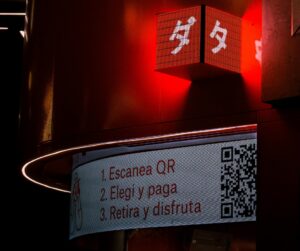
Illuminated signage is among the most talked-about areas of growth, but this is now far beyond traditional lightboxes. Advances in LED technology, energy efficiency and control systems are enabling more creative and dynamic applications, from halo-lit lettering and edge-lit panels to large-scale façade installations. In many cases, lighting is no longer an add-on, but a central design feature that enhances visibility, atmosphere and brand presence.
Architectural signage is also gaining traction, with signage no longer applied as a final layer but instead considered from an early stage in the design process. Among the examples in this space are fabricated metal lettering, structural elements and integrated branding within façades, interiors and public spaces, opening up collaboration opportunities with architects, designers and contractors.
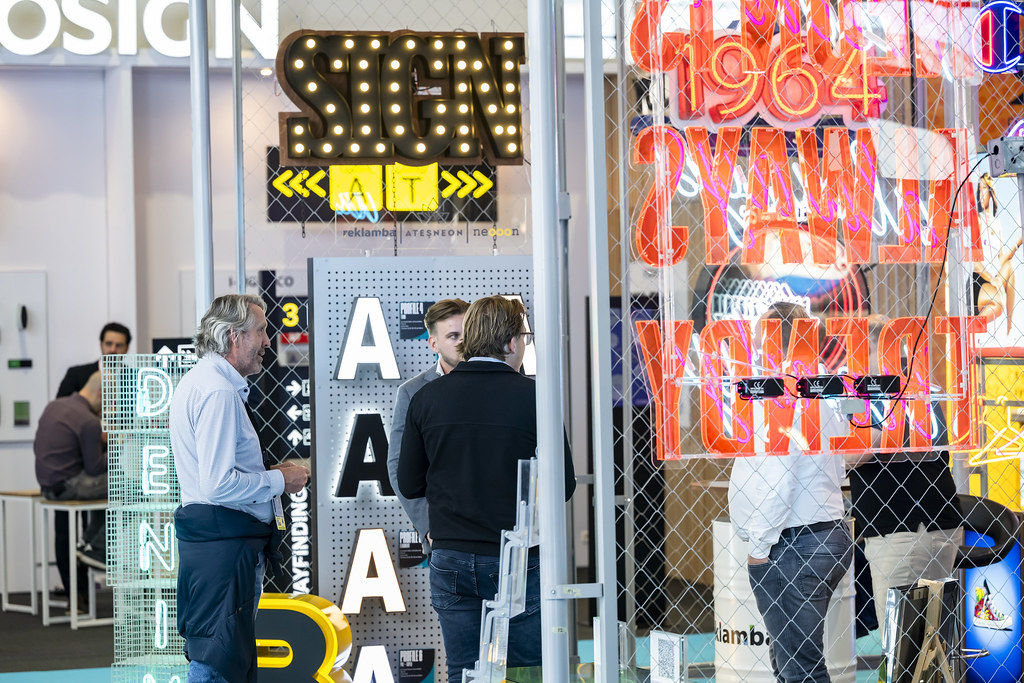
Elsewhere, digital signage remains a prominent growth area, particularly as screens become more sophisticated and accessible. However, the opportunity is not limited to standalone displays, with digital elements now being integrated into wider signage schemes, working with physical structures and wayfinding systems to deliver new capabilities to both brands and consumers.
Linking in with this are experiential and interactive signs, an area that also continues to grow, particularly across retail, events and exhibition environments. Here, signage plays a central role in shaping the customer journey, encouraging interaction and creating experiences. This may involve the use of motion, lighting effects, touchpoints or responsive technologies, which can be added to a range of sign types.
Taken together, these areas highlight a broader trend with the industry in that signage is becoming much more integrated, complex and closely tied to its environment. For those operating in this area, the opportunity lies not just in adopting new technologies, but in understanding how different elements can be combined to create more effective and engaging solutions – something that many brands, and indeed consumers, are chasing.
As the scope of signage continues to expand, so too do the expectations placed on those operating within the sector. Delivering non-print signage solutions often requires a broader
skill set, incorporating elements such as design development, engineering, project management and, in some cases, digital integration. For many businesses, this represents a shift away from more traditional production-focused models.
Collaboration is becoming an essential part of this evolution. Sign companies are increasingly working alongside architects, lighting specialists, AV providers and technology partners to deliver more complex and integrated projects. This enables access to new capabilities and allows businesses to take on higher-value work without the need for significant upfront investment, expanding their customer reach in the process.
There is also a growing emphasis on consultancy; rather than specifying a single product, clients are increasingly looking for guidance on how signage can enhance a space, support navigation or elevate brand presence. This is prompting signage companies to take a more strategic role, helping to shape projects from an early stage rather than simply delivering against a fixed brief.
However, it is important to remember that, as is the case with any form of diversification in the industry, moving into new areas is not without its challenges. Diversification can bring added complexity, longer project timelines and the need to develop new expertise, with companies advised to carefully consider where these opportunities align with their existing strengths and capabilities.
Signage is no longer defined by a single format or process. While print remains a vital part of the mix, it now sits alongside a growing range of non-print solutions that are reshaping the sector. For signage companies, the opportunity lies in understanding how these elements fit together, positioning themselves to deliver more integrated, flexible and future-focused solutions.
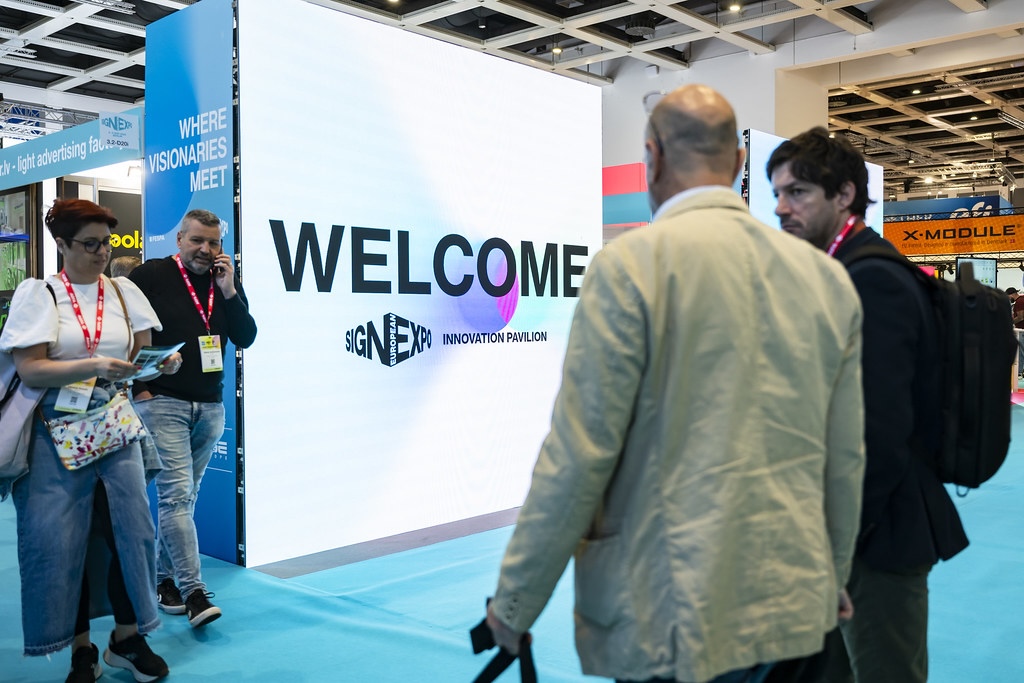
Those keen to learn more about the non-print opportunities in the signage market and gain insight into the latest development within this sector should consider visiting the European Sign Expo this year.
Taking place alongside the main FESPA Global Print Expo 2026 in Barcelona from 19-22 May, the event will allow visitors to experience the full spectrum of non-printed signs. From channel lettering and digital displays to architectural and illuminated signage, the European Sign Expo will open attendees’ eyes to the amount of opportunities available to them – and crucially connect them with the suppliers and manufacturers that can help them win work in these exciting areas.
At European Sign Expo 2026, you'll experience the full spectrum of non-printed signage - from channel lettering, dimensional signage, and digital displays to architectural and illuminated signage.