
Producing sustainable sportswear is one of the biggest challenges facing the textile industry. Digital printing offers innovative solutions that use fewer resources. If you want to know how digital printing is shaping the future of sportswear, keep reading.
The production of athletic apparel poses significant environmental and social challenges. Water consumption is enormous, particularly during cotton processing and textile dyeing. Chemicals often enter waterways unfiltered, harming ecosystems.
Synthetic fibers such as polyester are widely used in sports apparel. Synthetic fibers are made from fossil-based raw materials, which are becoming increasingly scarce. In addition, they have a significant environmental impact even during their useful life. This is because microplastics are released with every wash. Currently, these cannot be filtered out and therefore accumulate in the environment. In the long term, this further pollutes the oceans. Furthermore, minute plastic particles also enter the food chain, thereby threatening the health of both humans and animals.
In addition, working conditions in the global textile industry are often cause for concern. In producing countries, low wages, long working hours, and inadequate occupational safety and health protections are common. The complex supply chains make it difficult to ensure transparent oversight and compliance with social standards.
EU Legal Framework for Sustainable Textile Production
With its Strategy for Sustainable and Circular Textiles, the European Union has presented a comprehensive set of measures. The goal is to ensure that all textile products are durable, repairable, and recyclable by 2030.
The Ecodesign Regulation sets requirements for product design, while the Digital Product Passport provides information on origin and environmental impacts. The aim is to prevent greenwashing. The goal is to encourage and empower consumers to adopt sustainable consumption habits. This is complemented by extended producer responsibility: The Supply Chain Act requires large companies to respect human rights and environmental standards throughout their global supply chains.
Digital Printing as a Sustainable Alternative in Textile Printing
Putting the “Reduce, Reuse, Recycle” principle into practice is particularly challenging when it comes to sportswear, since functional textiles are usually made of complex blended fabrics that are difficult to recycle. Many garments contain synthetic fibers such as polyester. While these are durable and high-performance, they are not biodegradable. In addition, they may contain harmful substances.
Reuse is already limited by heavy wear and tear, sweat stains, and the fast-changing nature of fashion trends. This makes circularity and resource conservation significantly more difficult. That is why it is all the more important for environmental and resource protection that sportswear be purchased with as much care as possible and worn for as long as possible. Digital printing can make a significant contribution to this.
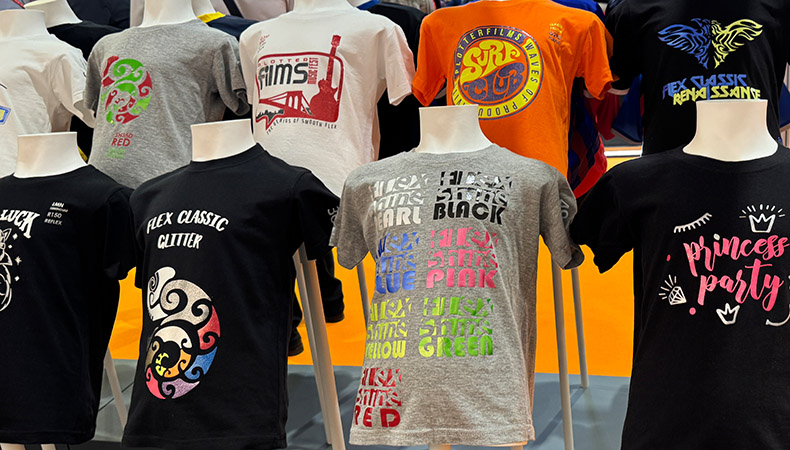
This is because it enables the production of small batches and personalized products. Sportswear can thus be customized and manufactured to meet specific needs. “On-demand” production close to the point of sale reduces transportation distances and inventory levels, which significantly lowers the products’ carbon footprint.
Instead of producing large batches with a high risk of overproduction, manufacturers can respond flexibly to demand. This reduces textile waste and improves resource efficiency. Digital printing offers an economically and environmentally sound solution, especially for brands that focus on customization.
Compared to analog textile printing, digital printing offers significant environmental benefits. Water consumption is up to 95% lower, as there is no need for time-consuming screen preparation and cleaning. Energy consumption is also reduced, since physical printing plates are no longer required. The use of chemicals is significantly reduced, which minimizes the environmental impact.
Sublimation is the primary method used for digitally printed sportswear. However, for several years now, transfer methods such as Direct-to-Film (DTF) and Mimaki TRAPIS have also been available for textile printing on natural fibers and blended fabrics. The Direct-to-Embroidery (DTE) technology unveiled by Brother at FESPA Berlin 2025 further expands the possibilities for decorating high-quality sportswear with intricate embroidery designs.
Comparison: Digital Printing vs. Analog Textile Printing
While analog textile printing—such as rotary screen printing—remains cost-effective for large production runs and simple designs, its environmental impact is clearly evident.
High water and chemical consumption, long production times, and inflexible processes make it difficult to establish sustainable production models. Digital printing, on the other hand, offers the advantages of flexibility, resource conservation, and the ability to manufacture locally.
However, digital processes are not without their challenges either. Sustainability depends heavily on the inks and substrates used. In addition, the investment costs are high, and color fastness can vary depending on the process.
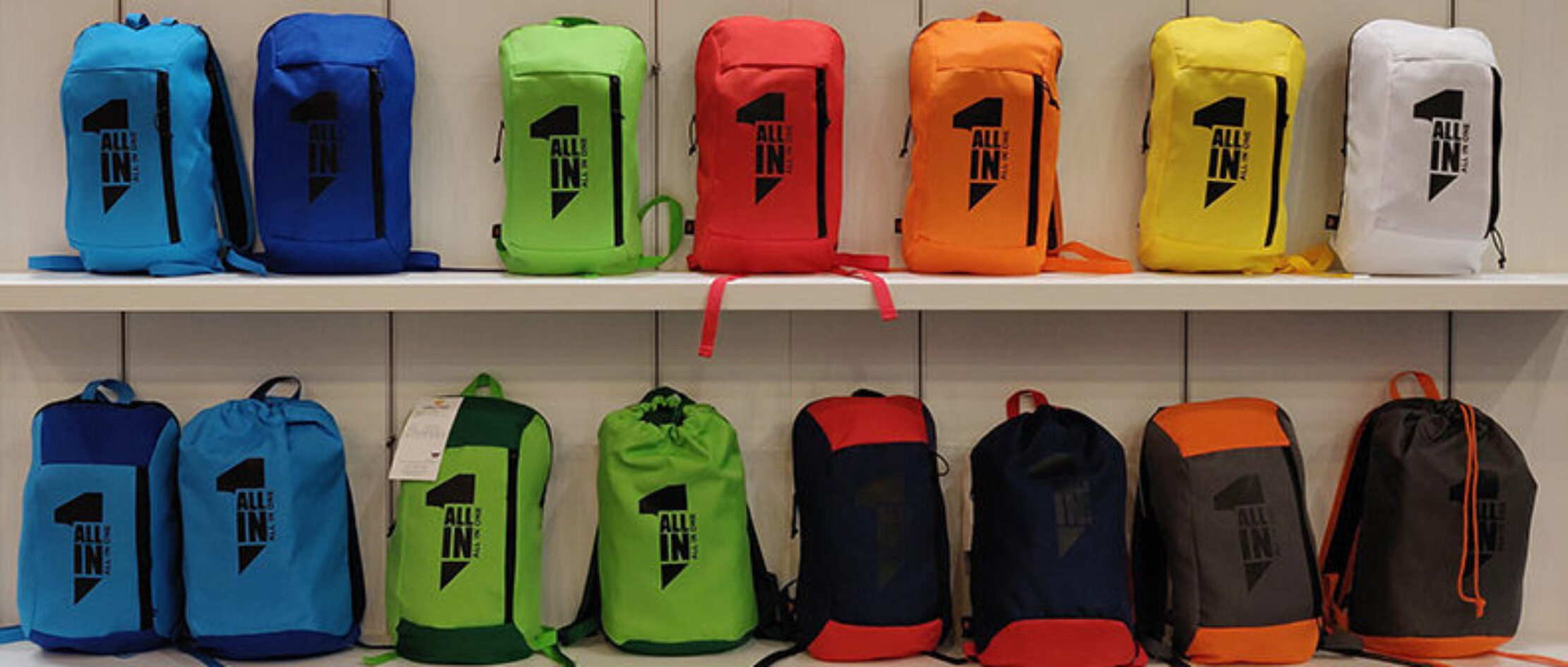
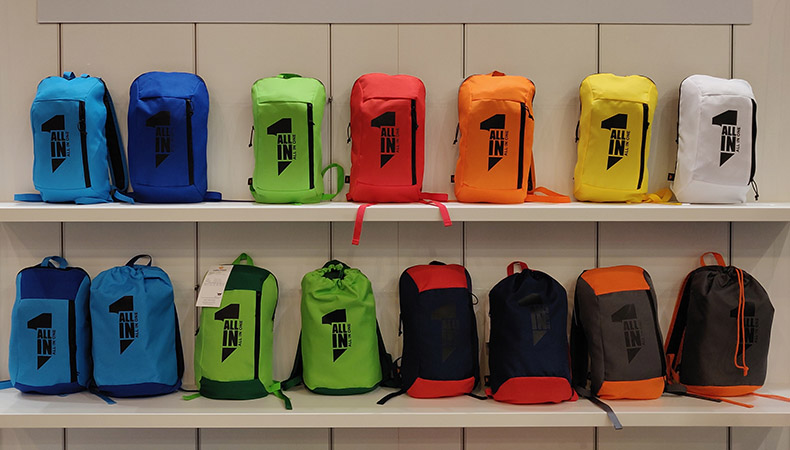
Hardly possible without digital printing: sportswear in small batches. Photo: Sonja Angerer
Outlook: The Future of Sustainable Sportswear
Sustainability requirements in the textile industry will continue to rise. Regulatory requirements and changing consumer habits are driving demand for eco-friendly sportswear.
Digital printing offers a sustainable solution that meets both environmental and economic requirements. This opens up new opportunities for the digital printing industry, which can position itself as a driver of innovation and actively contribute to the transformation of the textile industry. The combination of technical efficiency, creative freedom, and sustainability makes digital printing a central element of future sportswear production.
Read more articles on the topic of sustainability