
How the life-cycle approach is redefining sustainability in printing.
For years, discussions about sustainability in the printing industry focused primarily on materials: recycled paper, eco-friendly inks, and PVC-free substrates. But the environmental impact of a printed product depends not only on what it is made of, but also on how it is produced, transported, used, and disposed of. In this context, the concept of “life-cycle thinking” is gaining prominence as a more comprehensive way to measure sustainability.
For printers, brands, and suppliers, this means analyzing every stage of the process and understanding that decisions made both before and after the final print run also contribute to the environmental footprint.
From Origin to End of Life
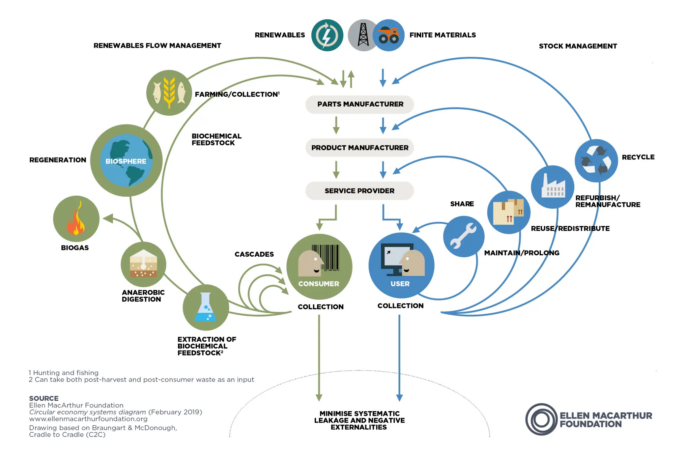
The life-cycle approach assesses a product’s impact from the extraction of raw materials through its reuse, recycling, or disposal. This includes factors such as energy consumption, emissions during transportation, production efficiency, product durability, and waste management.
In the printing industry, this perspective is driving significant changes. It is no longer enough to use sustainable materials if the process consumes too much energy or generates a high level of waste. Similarly, a product with a long lifespan may have a lower environmental impact than a “green” alternative designed to be short-lived.

This way of thinking is also changing the way large-format, packaging, and signage applications are designed. Reusable products, modular systems, and on-demand production help extend the product’s lifespan and reduce the project’s environmental impact.
Measure to Make Better Decisions
More and more companies are looking for tools to quantify and communicate their environmental impact. Life cycle assessments (LCA), carbon footprint calculations, and environmental certifications are becoming part of business strategy—not just the sustainability department.
For printing providers, this represents an opportunity to add more value for customers by offering advice based not only on costs or visual quality, but also on actual environmental impact. Choosing the right substrate, optimizing logistics, or reducing waste can be just as important as selecting the right printing technology.

As the industry moves toward more responsible models, life-cycle thinking is redefining how sustainability is understood. More than just a matter of “green” materials, it’s about designing smarter, more efficient printing systems that are prepared for a future in which every decision will matter.
Discover more content on the circular economy