The European packaging industry is facing a fundamental transformation. The new EU Packaging Regulation (PPWR) took effect in February 2025. It also applies to all printing companies that produce packaging. What needs to be done?
The EU’s new Packaging and Packaging Waste Regulation (PPWR) (text) has been in effect since February 2025. Companies have only until August 2026 to implement the first phases. After that, significant penalties may be imposed if the requirements are not met. This is part of the EU’s sustainability initiatives.
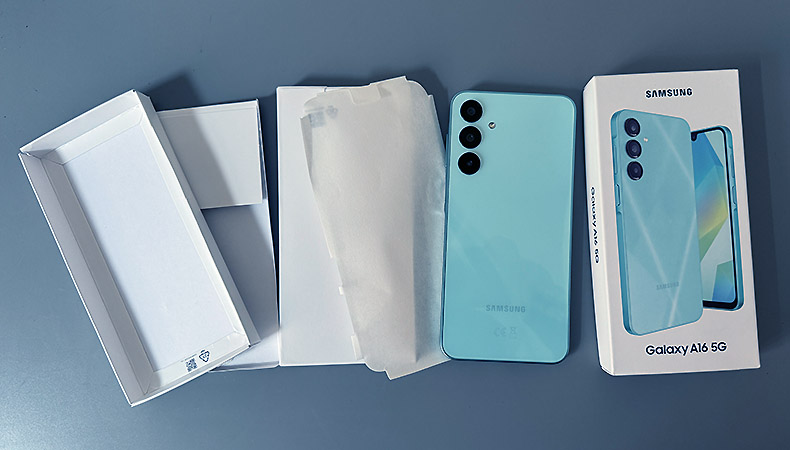
No plastic at all, but plenty of material: Packaging for the latest Samsung Galaxy A16. Photo: Sonja Angerer
Does the EU Packaging Directive apply to everyone?
PPWR has a significant impact on many industries that regularly purchase print products, such as the food and beverage industry, e-commerce, retail, the cosmetics industry, and logistics and shipping companies.
But printing companies are also affected in their business processes—namely, whenever they package goods for delivery or shipment to customers. In the B2C sector in Germany, licensing through the Dual System for Packaging has been mandatory since 1991.
The PPWR now stipulates that, starting in 2030, 100% of sales and shipping packaging circulating in the B2B sector between locations of the same company, affiliated companies, or partner companies within the same country must be reusable.
Companies that operate across borders should also familiarize themselves with local regulations. This is because individual EU countries are responsible for transposing the Packaging Regulation (PPWR) into their own national laws.
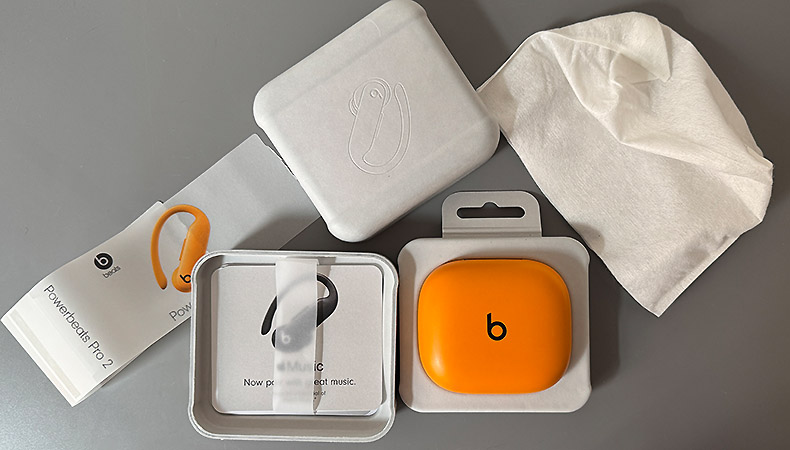
Innovative packaging materials used by Beats: a rounded cellulose box, transparent paper instead of plastic, and a fleece pouch for extra protection. Photo: Sonja Angerer
Are there any exceptions to the EU Packaging Directive?
Certain types of packaging for medical products and infant formula are exempt from these regulations. In addition, exemptions may be granted under certain conditions, for example, for:
- Packaging for which design or trademark protection was granted before February 2025
- Packaging for products with regional protection within the EU
- Packaging for hazardous materials.
Under this provision, companies with fewer than 10 employees and annual revenue of less than 2 million euros are exempt from some of the strictest requirements or are granted longer transition periods.
What does the EU Packaging Directive say?
The European Union’s new Packaging Regulation imposes stricter requirements on the entire supply chain. The regulations stipulate that all packaging must:
- with as low a level of pollutants as possible
- Recyclable in existing systems
- made from a growing proportion of recycled materials
are manufactured.
In addition, they should be designed to be as space-efficient as possible. This means that, in the future, multi-layer outer cartons, as well as double bottoms and oversized dimensions that serve no necessary protective function in retail packaging, should be avoided.
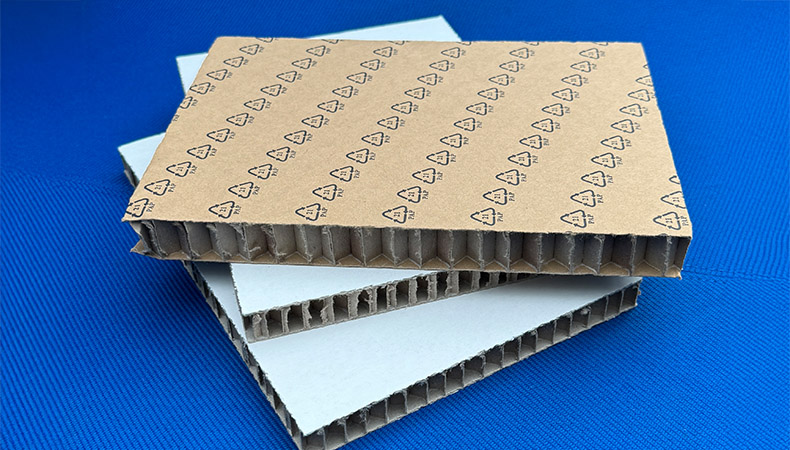
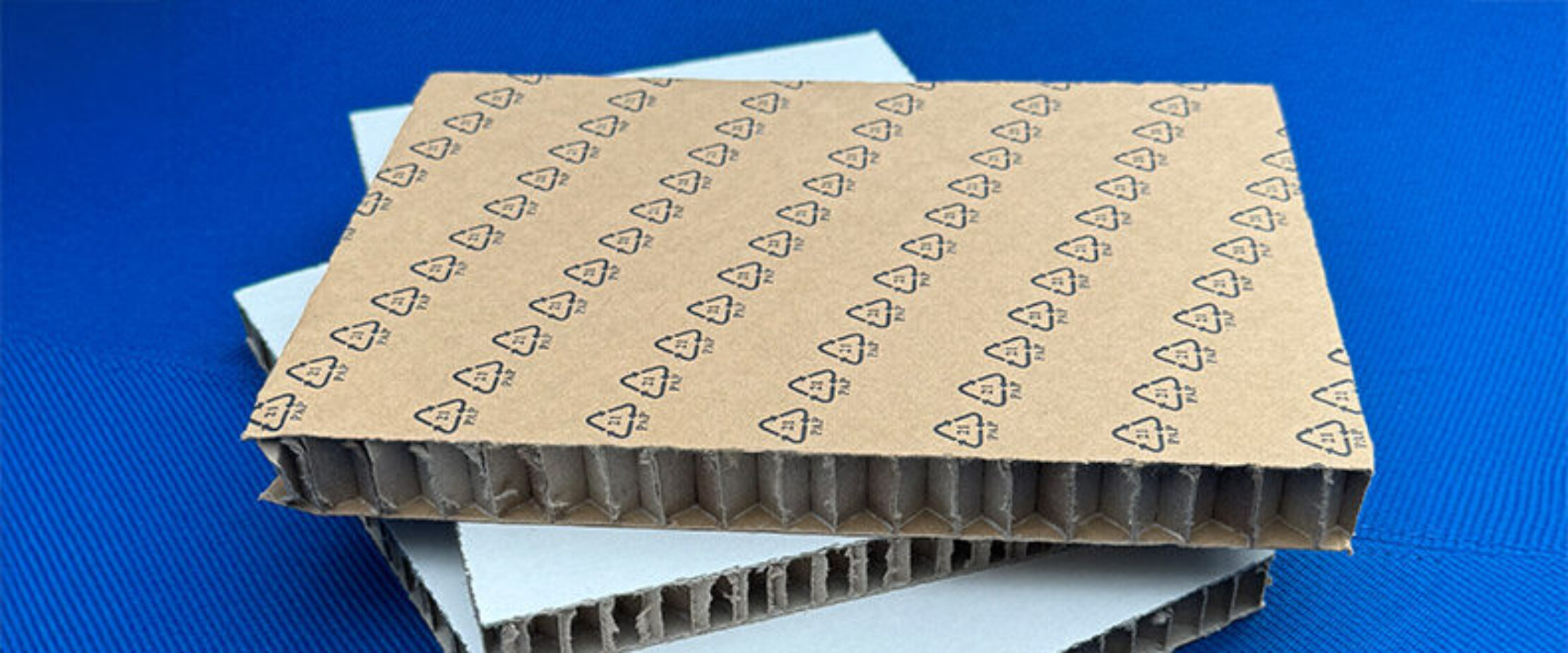
Cardboard sheets are easy to print on and recycle. Thanks to the EU’s sustainability initiative, they are likely to be used more widely in packaging printing in the future. Photo: Sonja Angerer
What does the PPWR mean for packaging printing?
Designers, as well as brand owners and fulfillment service providers, for example, are required by the PPWR to adapt their existing systems. Printing companies that produce packaging must therefore fundamentally rethink their production processes.
Although customers typically provide packaging templates that are ready for printing, New, PPWR-compliant designs could differ significantly from the existing ones—for example, by being more compact and featuring simpler printing. However, cutting, die-cutting, and creasing in a smaller space could become significantly more complex and difficult as a result.
Since the production of non-separable composites is to be phased out in the future, demand for finishes such as films, laminations, and coatings is also likely to decline going forward.
A particularly important aspect of the EU Packaging Regulation is the reduction of harmful substances. This can affect not only approved substrates but also the printing inks and varnishes used.
This could become a particular problem for digital printing companies that use their standard machines for promotional applications to produce small or personalized runs of packaging materials. This is because these inks are not optimized for packaging production. As a result, depending on the ink application and the printing substrate, it could be difficult to comply with regulatory limits.
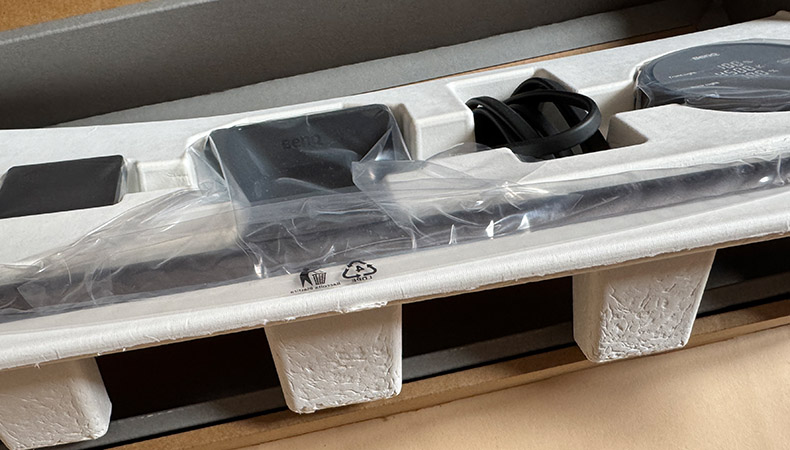
A cellulose tray instead of Styrofoam: The EU Packaging Directive will require changes to packaging design in the future. Photo: Sonja Angerer
Digital packaging printing helps with the implementation of the PPWR
Despite all the challenges, digital printing offers unique opportunities to meet the challenges posed by the new EU regulation. This is because it enables highly flexible production of short runs without the need for time-consuming and material-intensive setup processes.
This allows packaging materials to be produced on an as-needed basis and in a decentralized manner. This prevents overproduction and large inventories. Regional production also significantly reduces logistics costs.
Digital printing also enables the cost-effective production of personalized packaging featuring variable data. This custom-fit packaging is often highly valued. As a result, recipients are less likely to discard it carelessly and are more likely to reuse it, for example, as a gift box or storage box.
Digital printing companies can also help their customers comply with the EU Packaging Directive by
- place greater emphasis on recyclable materials, bio-based substrates, and materials with a high recycled content
- Offer FSC-certified paper, grass-based paper, or innovative materials made from agricultural waste
- Develop packaging made from a single material that is thinner and lighter while providing the same level of protection
- Give preference to printing inks that are low in harmful substances and can be removed as easily as possible.
Transformation Offers Opportunities for Packaging Printing
EU sustainability initiatives are opening up new business opportunities for printing companies, but in some cases also require strategic realignments:
- Consulting Expertise as a Competitive Advantage: Printing companies that develop expertise in sustainable packaging design can position themselves as consulting partners for their customers.
- Partnerships along the value chain: Successful sustainable packaging solutions result from close collaboration between printing companies, packaging designers, material manufacturers, and recycling companies.
- Certifications and Standards: Adopting recognized sustainability certifications such as FSC, PEFC, or Cradle to Cradle can enhance credibility. Many customers now require their suppliers to provide proof of compliance.
Printing companies that take on this challenge will not only help solve the problem of packaging waste; they can also use this opportunity to strengthen their market position in the long term.
The EU Packaging Directive therefore offers digital printing companies, in particular, excellent opportunities to secure their future. This is because digital printing supports many of the required sustainability goals, such as on-demand production, waste reduction, and flexible adaptation to changing requirements.
However, manufacturers of packaging printing machinery and supplies are also called upon to do their part to make the industry more sustainable—for example, by offering energy-efficient printers and non-toxic inks that deliver optimal results even on natural and recycled materials.
The successful transformation of the packaging industry requires strategic thinking, a willingness to invest, and the ability to engage customers as partners in the development of sustainable packaging solutions. The new EU Packaging Regulation should be viewed as an important milestone in this process.