Ventilation in Digital Printing: When Is It Really Necessary? Depending on the type of ink—whether water-based, UV-curable, solvent-based, or latex—different requirements apply to ventilation and occupational safety.
In the digital printing industry, the choice of ink plays a crucial role not only in print quality but also in workplace safety. While modern printing systems are becoming increasingly efficient, the question remains: Do production areas need to be equipped with exhaust or ventilation systems? The answer depends heavily on the type of ink used. Legal requirements, emission limits, and health risks are just as important as the manufacturers’ technical recommendations.
Water-based inks: Very few emissions, but not entirely risk-free
Water-based inks are considered the least problematic solution in terms of emissions. They consist primarily of water and small amounts of additives such as glycols or dyes. However, these substances can still cause a slight odor at high production volumes.
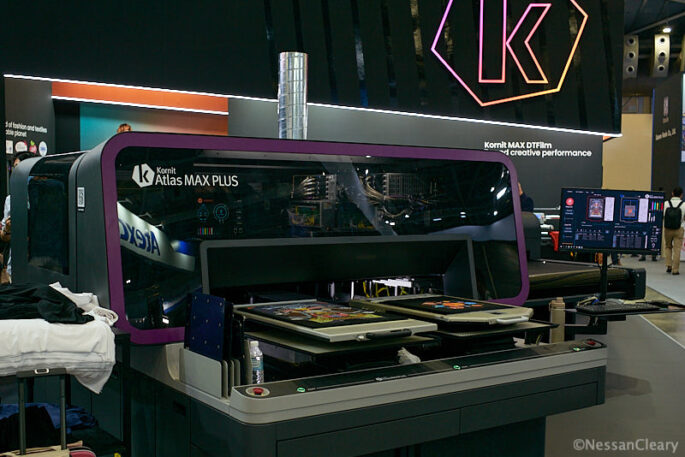
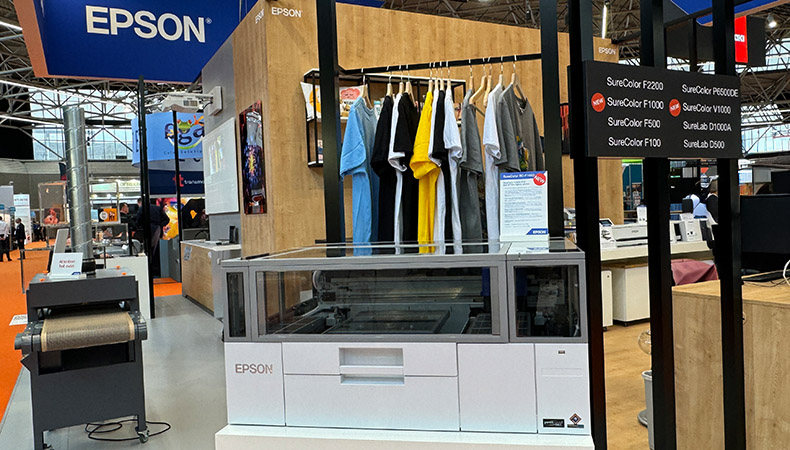
As a rule, no special exhaust systems are required, provided the printers are operated in well-ventilated rooms. Manufacturers such as Epson or Canon Nevertheless, we recommend basic ventilation to keep the concentration of volatile substances low. This is usually sufficient for large-format inkjet printing with water-based inks.
UV-Curable Inks: A Look at Ozone and Photoinitiators
The situation is different for UV-curable inks, which are widely used in the advertising industry and in industrial digital printing. These inks contain Photoinitiators, which react under UV light and cure the ink. Small amounts of ozone may be produced during the curing process, particularly with older lamp technologies. Ozone is a strong oxidizing agent and can irritate the respiratory tract.
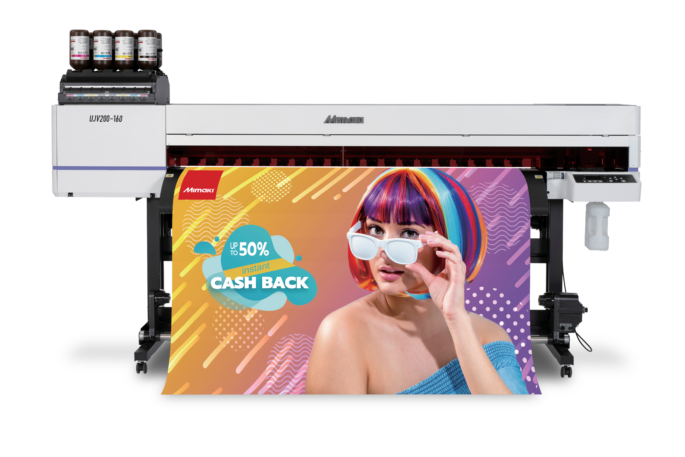
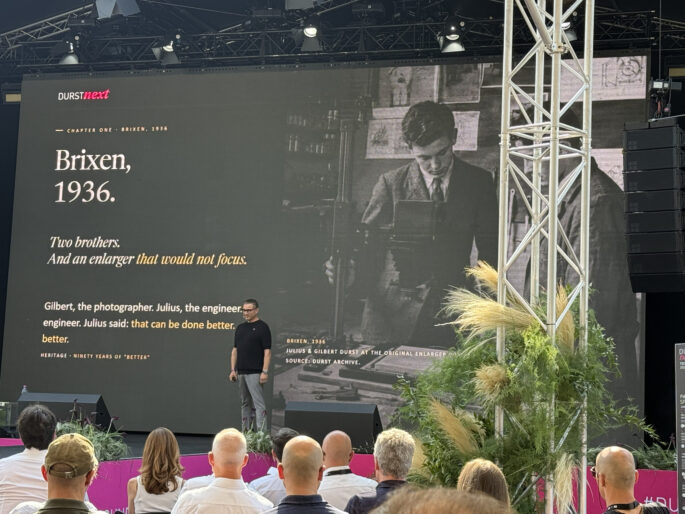
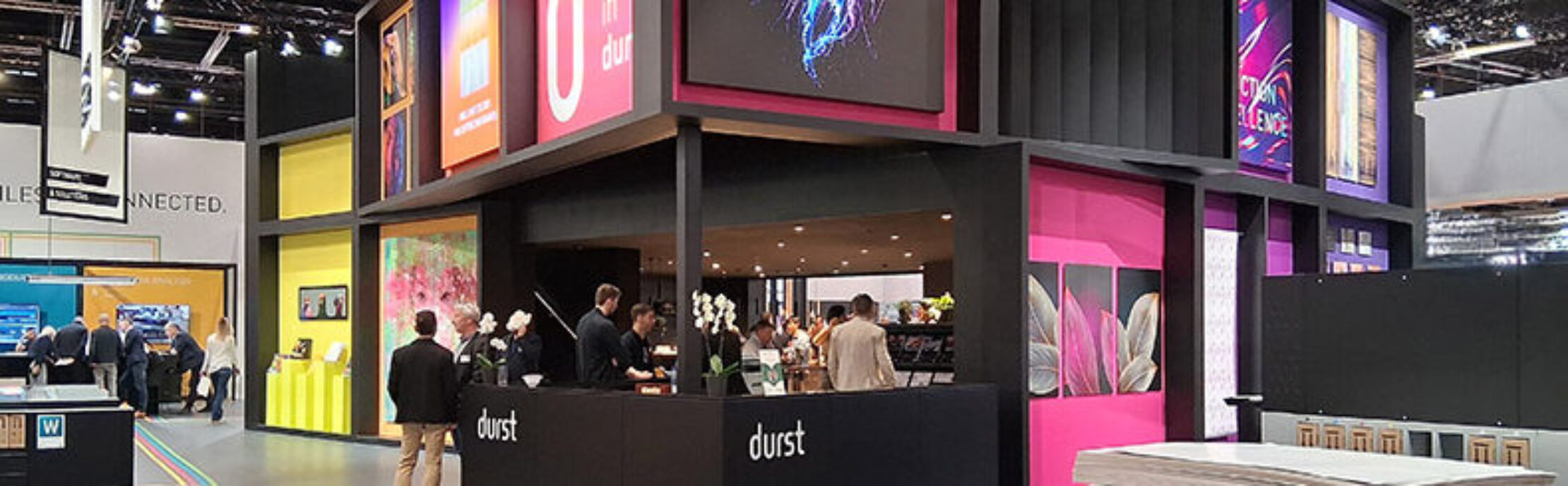
Modern LED-UV systems significantly reduce ozone formation; nevertheless, manufacturers such as Mimaki or Durst an exhaust system or, at the very least, active room ventilation. In addition, when printing with UV-curable inks, uncured monomers and photoinitiators can be released into the air. This can cause skin and respiratory tract irritation.
High-performance digital printers that use UV-curing inks are therefore often designed with an enclosure that must remain closed during printing. This also facilitates exhaust ventilation. In recent years, many countries have enforced strict limits on airborne pollutants in the workplace. Without exhaust ventilation and purification of the exhaust air, these limits could no longer be met.
Solvent-Based Inks: VOCs as the Main Problem
Solvent-based inks, such as those used in traditional advertising printing on PVC films, contain organic solvents. The VOCs (volatile organic compounds) evaporate during the printing process. This can cause headaches, irritation, and long-term health problems.
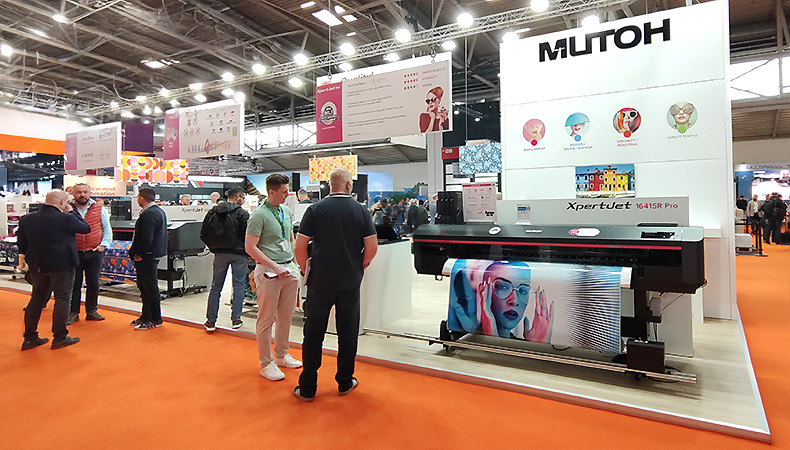
Manufacturers such as Roland DG or Mutoh Therefore, their manuals explicitly emphasize the need for an exhaust system. In many countries, mechanical ventilation for solvent-based printing systems is required by law. Odor pollution is also a practical consideration: Without an exhaust system, it is virtually impossible to work comfortably. This is because unpleasant odors can quickly make employees feel very uncomfortable, even if the substances in the air are not, strictly speaking, hazardous to health. As for eco-solvent inks: they are less aggressive, but not completely emission-free. Proper ventilation remains mandatory.
Latex Inks: An Interim Solution with Advantages
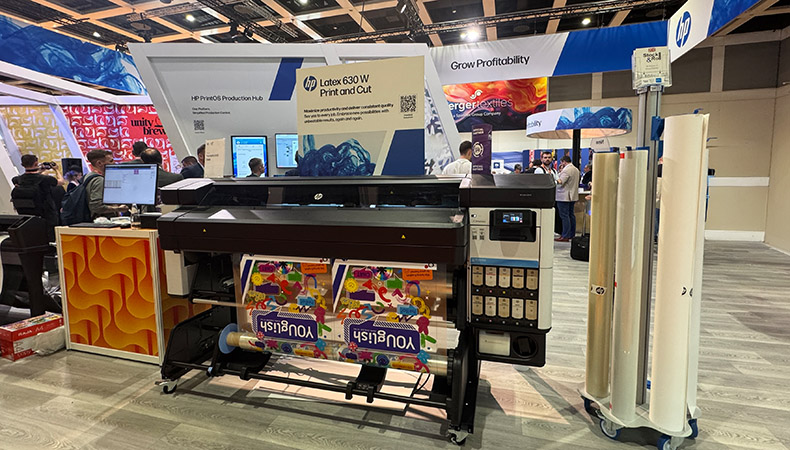
Latex inks, as used primarily by HP The products offered are considered low-emission and odorless. They are water-based but contain latex polymer particles and small amounts of additives. HP advertises the “ “Greenguard” Certification for many of its systems, which confirms their low emissions. Nevertheless, manufacturers recommend basic ventilation, especially for high production volumes. An exhaust system is generally not required, which makes latex systems attractive to many printing companies that prioritize occupational safety and environmental friendliness.
Legal Requirements and Manufacturer Recommendations
The requirement for exhaust ventilation depends not only on the type of ink, but also on national regulations. In Germany, the Federal Institute for Occupational Safety and Health sets the limit values for VOCs and other emissions in the workplace. Manufacturers such as HP, Mimaki, Roland DG Durst therefore provides clear recommendations on ventilation in its manuals. It is essential to follow these recommendations, as they affect not only workplace safety but also the warranty terms.
Conclusion: Clear Guidance for Practical Application
Whether exhaust ventilation is necessary depends on the type of ink and the production environment. Water-based and latex inks are relatively unproblematic; basic ventilation is usually sufficient. UV-curable and solvent-based inks, on the other hand, require active exhaust ventilation to safely remove ozone, VOCs, and other pollutants. Print service providers should carefully review the manufacturer’s specifications and legal requirements and factor them into their investment decisions. This helps minimize health risks and ensure a safe workplace.
Learn more about ink