Plotter films remain a core product in the advertising industry. What trends and products will be important in 2025?
What Are Plotter Films: Definition
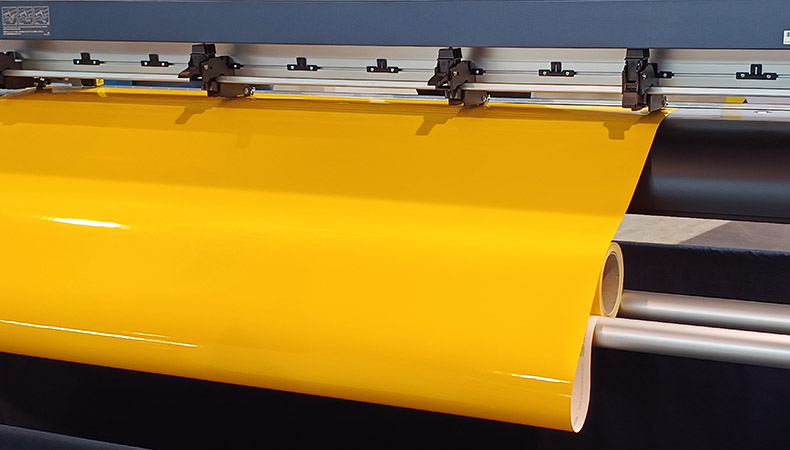
Plotter films are self-adhesive materials that are cut into custom shapes and lettering using cutting plotters. They are usually colored films made of PVC or polymer blends.
Plotter films offer high durability and weather resistance. Manufacturers such as Orafol, 3M, Avery Dennison, Hexis and Grafityp are shaping the market with a broad portfolio of colors, finishes, and adhesive technologies.
For historical reasons, digital prints are sometimes referred to as “plots” in Germany. White or digitally printed films can also be processed using a cutting plotter, a print-and-cut machine, or a digital cutting table. However, this article focuses exclusively on unprinted plotter films.
Market Developments and Current Trends
Starting around the mid-1980s, plotter films were the only alternative to hand-painted or spray-painted decorations on vehicles, signs, and walls. Around the turn of the millennium, however, they came under increasing pressure from digital printing. This is because digital printing enables complex designs and photorealistic images that cannot be achieved with vinyl lettering alone. In addition, digital printing reduces inventory costs because signage technicians no longer need to stock as many vinyl films in different colors.
However, plotter films also have their advantages. They are available for specialized applications, such as decorating boats or airplanes, with finishes like chalkboard, neon colors, and reflective surfaces. Their durability in a Central European climate can be eight years or more. This is the case with digital prints, even with Laminate or protective film often hard to reach.
For this reason, many signage projects today are implemented using a combination of plotter films and digital printing. This trend is driven in part by the fact that advertising clients are increasingly demanding PVC-free alternatives and recyclable materials. Both are easier to achieve with colored films than with digital prints. This is because printed designs in the signage industry can consist of a variety of components—such as adhesive film, printing substrate, ink, and laminate. Separating these by material type is virtually impossible, which severely limits recycling options.
Plotter films for textile printing
In addition to traditional applications on glass, metal, or plastic, plotter films have now also established themselves in the textile industry.
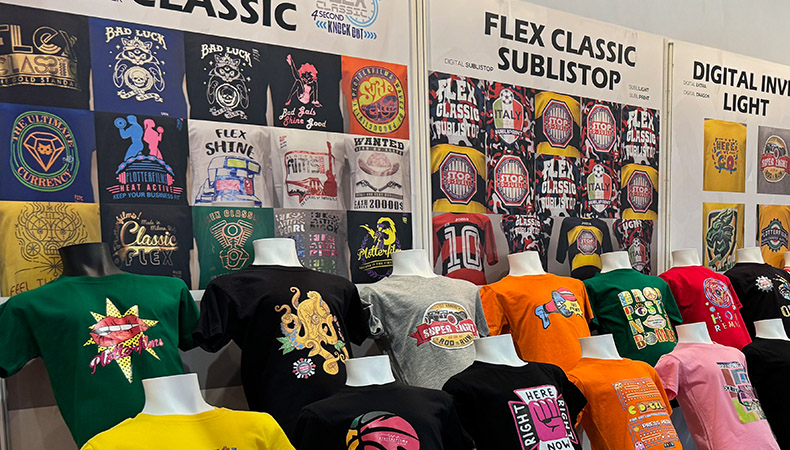
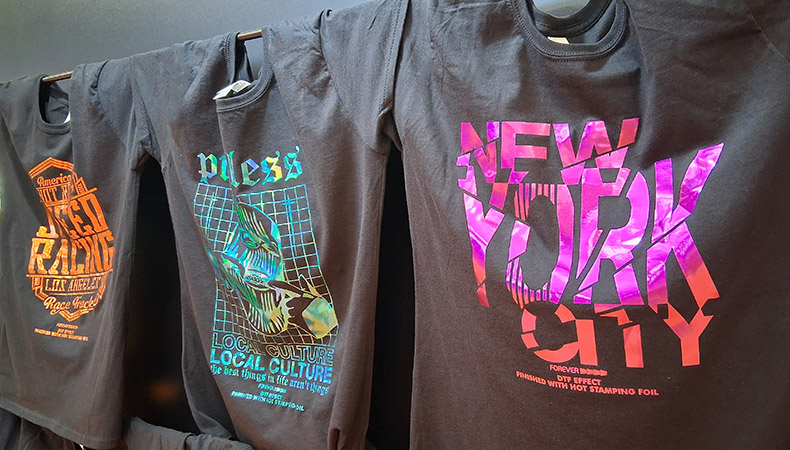
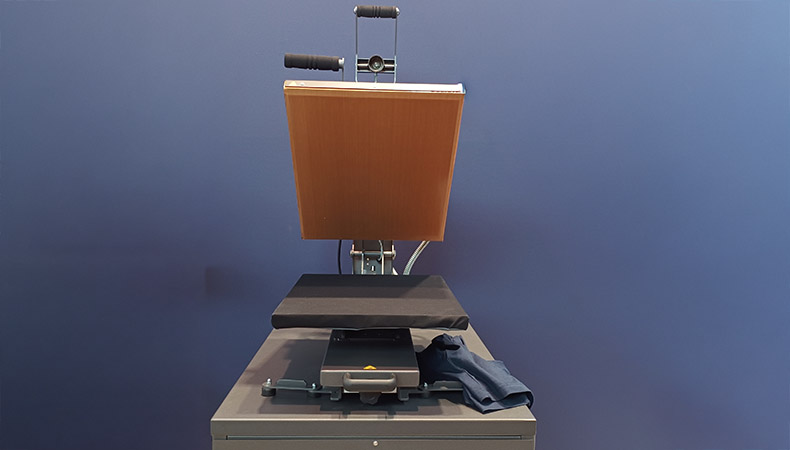
Special flex, effect, and flock films with heat-activated adhesive are used for printing on T-shirts and other garments. Every year, companies such as Stahls Europe new products on the market. They are becoming increasingly popular not only among professional contractors but also among a growing community of hobbyists and small-business users.
Demand for personalized textiles is growing steadily, particularly in the areas of merchandising and sportswear, making this market especially attractive to companies in the promotional products industry.
In recent years, however, plotter films designed specifically for textile applications have been challenged by various “no-cut” films, such as those from Forever GmbH under pressure. The image is printed in a single color using a toner printer (e.g., from Oki) produced, dyed in a heat press, and coated with a heat-activated adhesive. Only the printed areas are transferred. This eliminates the often time-consuming steps of cutting and weeding that are necessary with traditional plotter films.
Technological Solutions and Innovations in Plotter Films
Adhesive technology has advanced significantly in recent years. Modern plotter films feature air channel structures that enable bubble-free adhesion.
In addition, the films are easier to reposition. Full adhesive strength is not achieved until after a few hours or when exposed to heat. As a result, application errors can often be corrected without any problems.
However, advances in graphics software in recent years have also made it much easier to process plotter films. Vector data is required to control cutting plotters. For many years, this data had to be created by hand or laboriously edited manually. Nowadays, the Vectorization Results are often so good that the cutting paths can be used without major corrections.
Adobe Illustrator In its latest version, Illustrator even offers the ability to create editable vector graphics using prompts alone.
Plotter Films: An Outlook
Despite the digital transformation, plotter films remain an indispensable part of the advertising industry. Their durability, versatility, and wide range of colors and effects ensure they have a firm place in the product portfolio.
Buyers of printed products are becoming less and less interested in the technologies used to produce them. As a result, hybrid projects that combine digital printing, plotter films, and even screen printing are becoming increasingly common.
The use of plotter films on textiles has become widespread thanks to the success of DTF technology converted. After all, there are already options available for use with DTF printers as well Specialty Films, which no longer need to be weeded. It is expected that such solutions will gain even more momentum in the future.
Companies should therefore respond to these trends: sustainable materials, innovative adhesive technologies, and the combination of digital printing and textile printing are crucial to remaining competitive.
Learn more about substrates