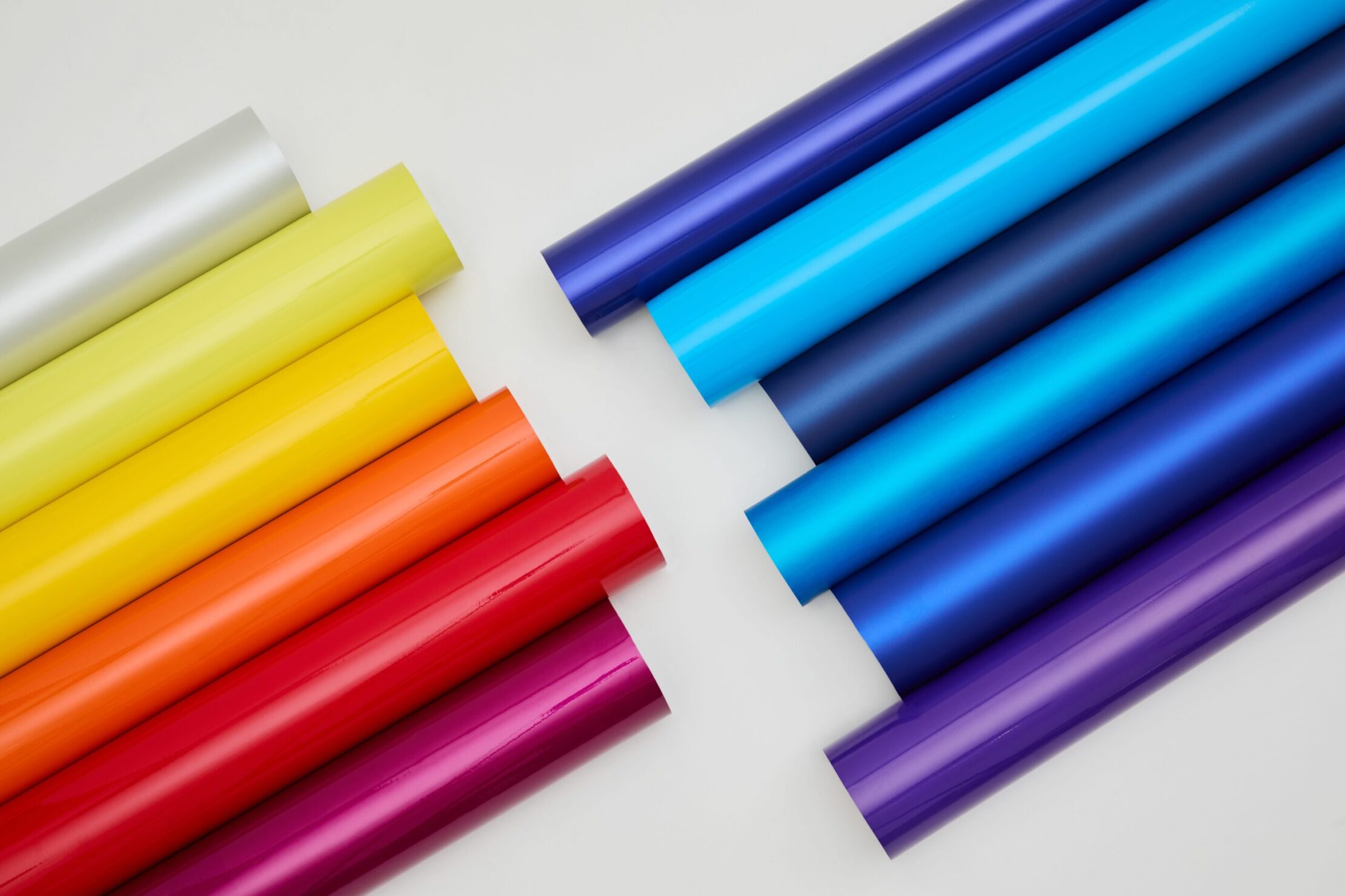
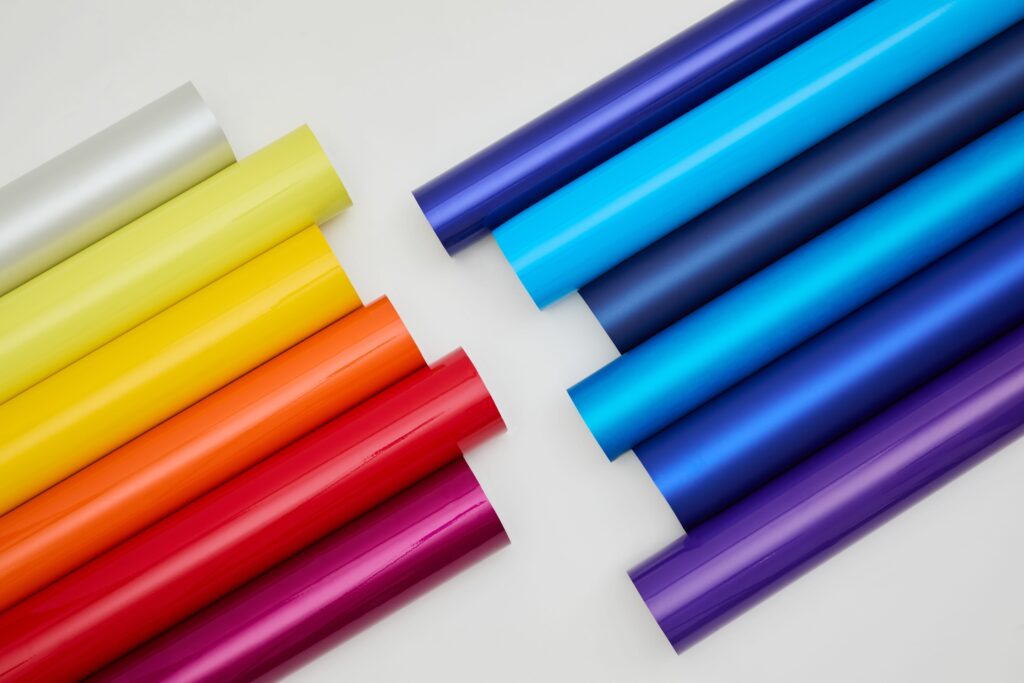
From tactile varnishes and metallic embellishments to dimensional textures and smart coatings, Rob Fletcher finds out how special effects are reshaping what is possible in personalised print.
Personalised print is no longer a novelty; it is an established part of the modern marketing strategy. Whether through variable data, targeted messaging or short-run customisation, these capabilities are now widely accessible across multiple print platforms. The real differentiation lies not in whether a piece is personalised, but in how effectively it captures attention and drives response.
Special effects such as spot UV, digital embellishment, raised varnish, foiling, textured finishes and fluorescent or security inks can transform personalised print from functional to memorable. When used properly, these techniques create tactile engagement, guide the viewer’s eye and reinforce brand value at the moment of interaction.
For print service providers, the opportunity lies in combining data-driven personalisation with high-impact finishing to deliver campaigns that feel premium at scale. Here, we speak with several suppliers to gain insight into this area and analyse some of the ways printers can add value to personalised print with special effects.
Distinctive and immersive experiences
Paola Cerchiai, head of go-to-market and trade marketing graphics at Fedrigoni, set out how special effects can increase perceived value and strengthen emotional engagement, enabling brands and designers to create more distinctive and immersive experiences.
Fedrigoni highlighted metallic and pearlescent finishes, matte or satin laminates, embossed textures, and frosted or transparent films as key special effects
“Special effects enhance personalised work, adding visual depth, texture and tactile value,” Cerchiai said. “Metallic and pearlescent finishes, matte or satin laminates, embossed textures, and frosted or transparent films transform a graphic application into a true design element.
“In vehicle personalisation, these finishes elevate brand perception and create high-impact fleet graphics that stand out in competitive environments. In interiors, architectural films can replicate materials such as wood, stone or textiles while retaining the flexibility and ease of application typical of self-adhesive solutions. Decorative and privacy window films combine functionality with aesthetics, addressing both practical and design-driven needs.”
Cerchiai went on to say printers seeking to make the most of opportunities within this area should prioritise high-value projects where visual impact, durability and brand positioning drive purchasing decisions. She added that the strongest opportunities lie in applications where differentiation matters more than price per square metre.
“Vehicle personalisation, fleet graphics and interior refurbishment are particularly promising segments, as clients increasingly seek premium finishes that enhance brand identity and customer experience,” Cerchiai said.
“To succeed, printers must move beyond transactional production and position themselves as solution providers. By advising on materials, finishes and long-term performance, they can support more strategic choices, move up the value chain and build stronger, longer-term partnerships.”
Going into further detail about the latest developments in special effects within personalised print, Cerchiai said these combine premium aesthetics with high technical performance and growing sustainability requirements. For example, in vehicle wrapping, expanded cast film ranges now include metallic finishes, carbon-look textures and contemporary colour palettes designed to deliver strong visual impact while maintaining excellent conformability and durability.
Sustainability is also central to innovation, Cerchiai said, with self-adhesive media made from 100% post-consumer recycled and fully recyclable material allowing brands to communicate responsibly without compromising print quality or design appeal.
“More broadly, digitally printable self-adhesive media compatible with latex, resin, UV-LED, UV-Gel, eco-solvent and water-based technologies enable short runs, customised graphics and surface transformations with high flexibility,” Cerchiai said. “Personalisation today integrates material innovation, design freedom and responsible choices.”
Create a sense of luxury
While material innovation enhances surface appeal, ink and embellishment technologies enable printers to push creative boundaries even further. On this, Simon Daplyn, product and marketing manager for Sun Chemical, took a similar viewpoint on special effects, saying these can add a final layer of impact to printed pieces, helping them stand out and elevating the overall customer experience. He said this can be of particular use when it comes to personalisation with printed work.
Simon Daplyn, product and marketing manager for Sun Chemical, said special effects in personalised print can help elevate the overall customer experience
“Special effects can create a sense of quality or luxury using elements such as fluorescent colours, metallic finishes, or spot varnishes that draw attention to specific parts of a design,” Daplyn said.
“More advanced effects can also deliver functional benefits, such as digitally building raised ink layers to create Braille features on packaging. As these effects can be applied digitally, brands can produce unique designs tailored to individual consumers.
“As for the type of work printers should be targeting with these sorts of effects, we see luxury packaging, gifting, limited‑edition items and customised promotional products as key opportunities. In these segments, personalisation and embellishment enhance perceived value and help create a memorable unboxing or product experience.”
Looking to how Sun Chemical can support printers with special effects, Daplyn said the inks specialist offers a range of technologies that enable “high‑impact embellishment and personalisation”. He offered up the example of its fluorescent UV and sublimation inks, which he said deliver vibrant, stand-out graphics for applications such as printed graphics, fashion, sportswear and accessories.
Daplyn went on to say the ability to build up UV inks can allow printers to create textured effects, such as simulating paint strokes on canvas or adding tactile interest to printed surfaces. Further still, for metallic finishes, digital adhesive solutions enable cold‑foil embellishment, whether for luxury packaging or personalised print features.
On top of this, Daplyn said high‑build UV varnishes allow selective spot gloss effects to highlight key elements of a design. The same technique can be used to create raised Braille features, supporting inclusive communication and personalised accessibility.
“Sun Chemical continues to develop innovative solutions that add value to print for brands, OEMs and manufacturers, helping them differentiate, personalise and elevate their printed products,” Daplyn said.
In an increasingly crowded personalisation market, surface impact may be the factor that separates a standard campaign from a memorable one. The key is for printers to ensure they can respond to changing demands and deliver the work, and indeed effects, their customers require.
Companies keen to gain a competitive advantage should consider attending Personalisation Experience, a special event that takes place alongside the FESPA Global Print Expo 2026 in Barcelona from 19-22 May. Those in attendance will secure insight into the technologies, strategies and applications driving personalised production forward. For more information, click here. Visitors can purchase super early bird tickets for €30 until 23 March by using the code FESG601.
Discover Personalisation Experience 2026
Discover the latest in personalisation and customisation, with conferences, networking opportunities and interactive opportunities. This is your chance to explore how the future of personalisation is evolving. Visitors can purchase super early bird tickets for €30 until 23 March by using the code FESG601.