DTF printing – a practical introduction from Niels Rask
Become a FESPA Member
to Continue Reading
Niels Rask, DTF expert, shares how to break into this popular and profitable market.
Direct-to-film (DTF) printing has become a popular method within textile decoration in recent years, and with good reason. The technology offers great flexibility, a high level of detail, and the ability to produce transfers that can be applied to many different types of textiles. At the same time, DTF is not a miracle solution that can replace all other forms of heat transfer – but when used correctly, it is a powerful and effective tool.
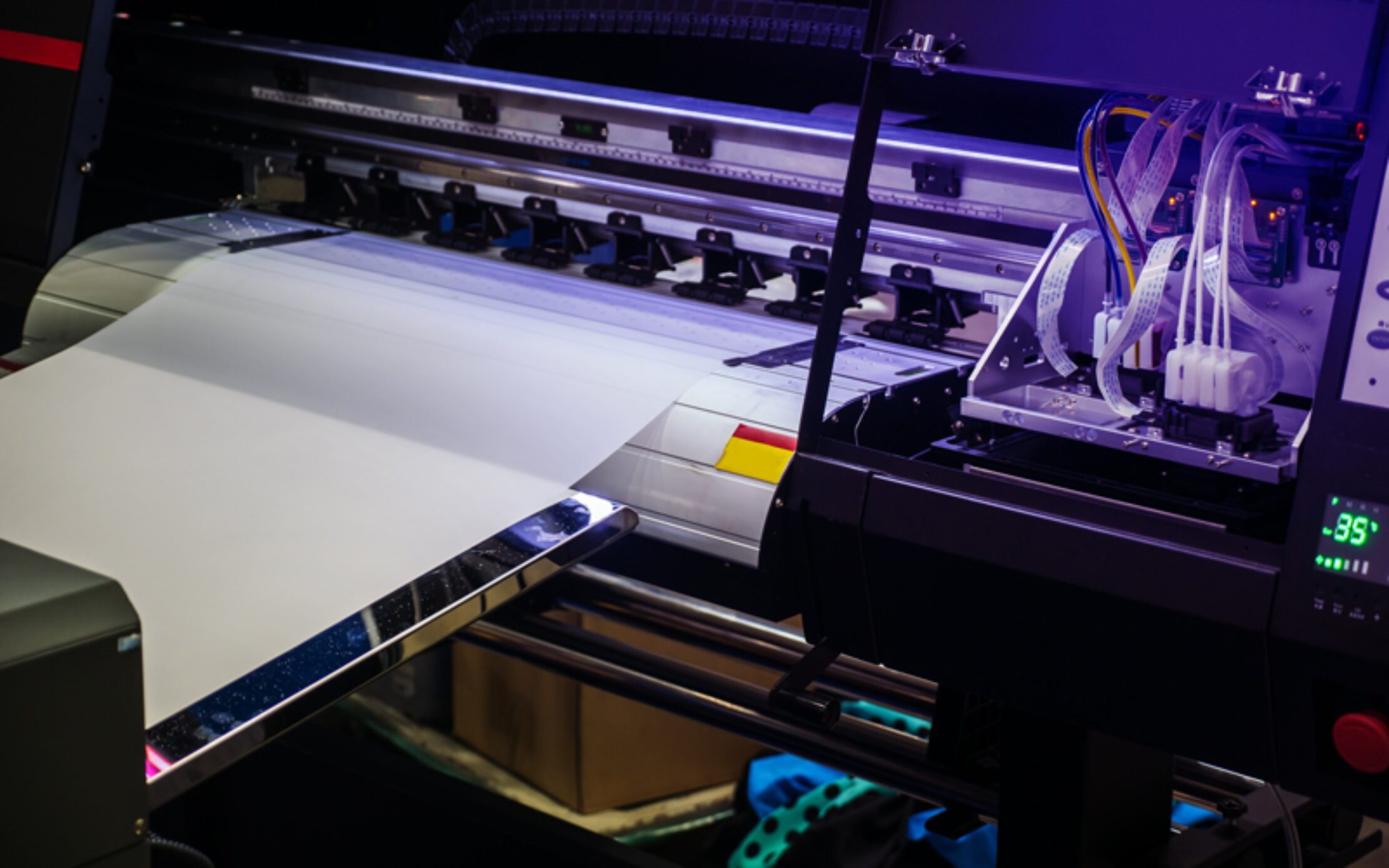
What is DTF Printing?DTF is a digital printing method where the design is printed directly onto a special film. After printing, an adhesive powder is applied, which is melted and activated in an oven. The result is a finished heat transfer that can later be heat-pressed onto the textile. The process typically consists of three main components: a DTF printer, an adhesive powder shaker, and a curing oven.
One of the major advantages of DTF is that the entire production process is relatively simple and automated. Once the equipment is correctly set up, you can produce high-quality transfers without the manual cutting or weeding required for materials such as plotter vinyl.
Which textiles are suitable for DTF?In principle, DTF transfers can be applied to many types of textiles, but some materials perform better than others. Cotton and cotton/polyester blends are often the best choices, providing a stable and durable result. DTF can also be used on polyester, but extra attention must be paid to the temperature during the heat-pressing stage. Excessive heat can cause discoloration or damage the polyester fabric, while insufficient heat may mean the transfer does not adhere correctly, causing it to break or peel off.
It is vital to find the right balance between temperature, pressure, and time so that the adhesive is activated correctly without putting unnecessary stress on the material.
How to Get Started with DTFThe market for DTF equipment is extensive, with many different printers and production lines available. Almost all suppliers now offer at least one DTF solution, but quality, reliability, and maintenance requirements can vary significantly.
When choosing equipment, it is crucial to first clarify your requirements:
How much do you need to produce? What level of quality do you expect? Will the machine run a few times a week or daily?Resolution and print speed play a major role.…
...