How QR codes, NFC, and track-and-trace are transforming smart printing.
Labels are no longer just a means of identifying products. Today, they have become a bridge between the physical and digital worlds, providing real-time information, improving traceability, and creating new ways to interact with consumers and supply chains. Thanks to technologies such as QR codes, NFC tags, and track-and-trace systems, printing plays an increasingly strategic role in sectors such as packaging, logistics, retail, and the pharmaceutical industry.
For printing professionals, this development represents an opportunity to expand their range of services and provide value that goes beyond graphic design.
Smart Printing for a Connected Market
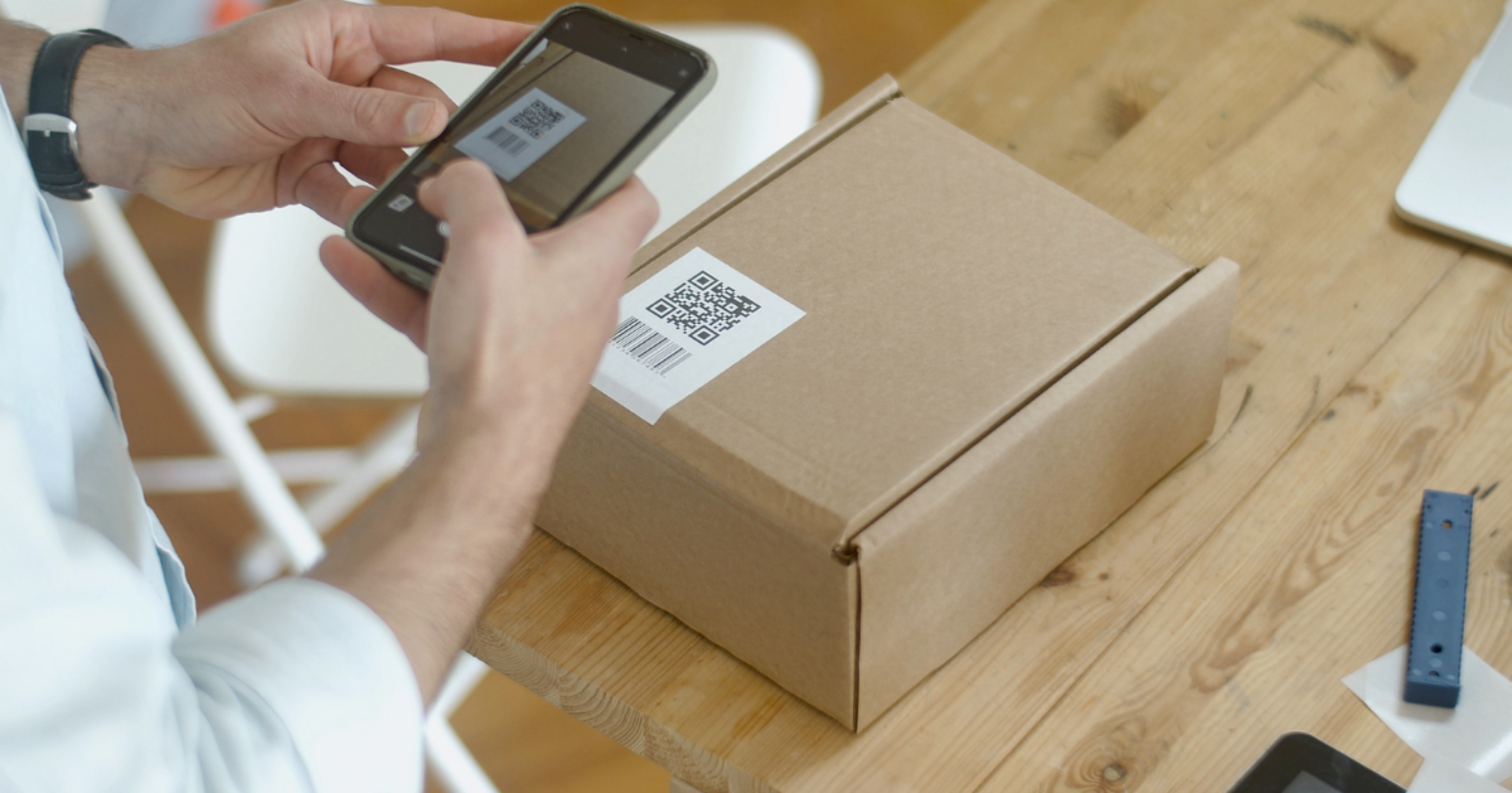
The growing digitization of commerce has driven demand for labels capable of doing much more than simply displaying basic information. QR codes provide access to user instructions, marketing campaigns, loyalty programs, or certificates of authenticity simply by scanning them with a cell phone. Meanwhile, NFC (Near Field Communication) technology offers an even smoother experience, making it easy to interact with the product without having to open an app or enter any data.
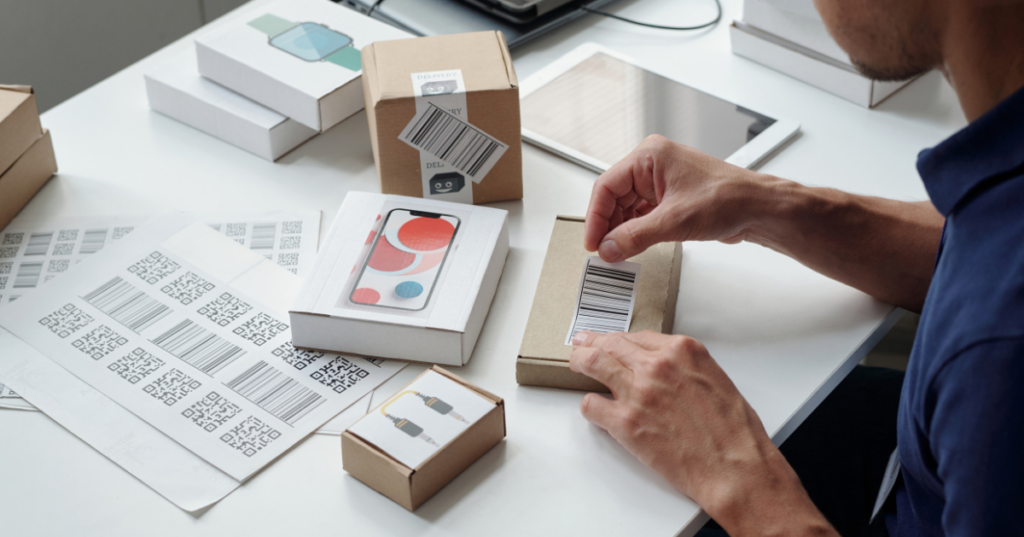
At the same time, track-and-trace systems are transforming supply chain management. By printing unique identifiers, companies can track the journey of each product from manufacturing to the end consumer, improving logistics control, reducing counterfeiting, and increasing transparency.
The combination of digital printing and variable data makes it possible to efficiently produce millions of unique codes, opening up new opportunities in industries where traceability and personalization are becoming increasingly important.
Safety, Sustainability, and New Business Opportunities
Smart labels also play a key role in brand protection. Solutions such as serialized codes, printed security features, or NFC chips make it possible to verify product authenticity and combat the counterfeit market, especially in industries such as pharmaceuticals, cosmetics, and luxury goods.
At the same time, these technologies contribute to greater sustainability. QR codes can replace printed manuals or provide additional product information without increasing the size of the packaging, while traceability systems help optimize inventory, reduce waste, and facilitate recycling processes by providing more accurate information about the materials used.
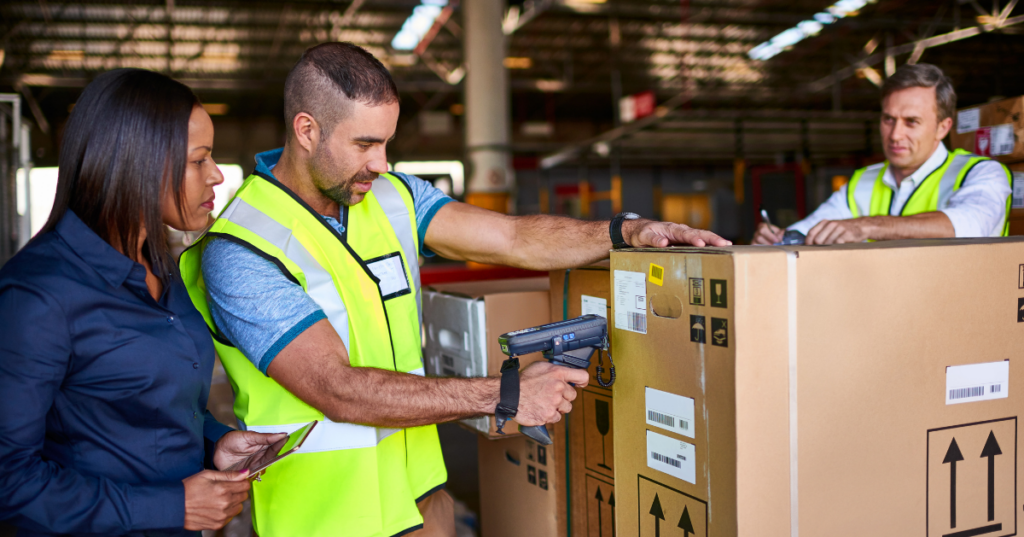
As the connected economy continues to grow, smart labels will evolve from an innovation into a standard. For printing providers, mastering these technologies presents an opportunity to differentiate themselves, tap into new markets, and demonstrate that printing remains an essential element in the industry’s digital transformation.
Discover more content about labeling