Visit Textile 2026
Textile 2026, launching alongside FESPA Global Print Expo in Barcelona (19–22 May 2026), is where function, print, and production converge to shape the future of textiles.
Alessandra Olisia Medeiros argues that printing methods are strategic, not just technical, decisions. A designer acts as a bridge between creativity and manufacturing, ensuring artwork translates effectively onto fabric. By prioritising sampling and choosing techniques suited to budget and material, brands can reduce waste, control costs, and achieve superior quality.
How technical decisions, such as the printing method, affect the final aesthetic on fabric and garment, impact production processes, and why it is important for the designer to know which technique the brand should choose for better costs and results?
When people think about textile design, they often think first about the artwork itself: the print, the colours, the visual impact. But beautiful design alone is not enough. A print only becomes successful when it can be translated correctly into a fabric, produced efficiently, and delivered with quality. That is why the printing method matters.
Before discussing technical processes, it is important to understand why prints are so important in the first place:
We live in a visual world, and many times we understand a brand before reading a single word. Through colours, graphics, textures, and surfaces, consumers instantly form impressions about identity, lifestyle, and value. Prints are not merely decorative. They help build recognition, communicate emotion, and create products that feel memorable. In my own work, I always begin with one question for the client: who is your customer, and what do you want them to feel? Only after understanding the brand identity, customer profile, and product goals do I begin thinking about the artwork, and the most appropriate technical solution to make the design come alive.

Today, designers are not responsible only for creating visuals. We also help shape decisions that directly affect production cost, timelines, quality, supplier relationships, and the commercial success of a collection. In that sense, the designer becomes a strategic bridge between creativity and manufacturing. Even small choices can have a significant impact. Print scale, number of colours, placement, fabric base, and production volume, all influence the best printing method. There is no universal “best technique.” There is only the right technique for a specific product, in a specific production reality.
When I evaluate which method to recommend, I usually consider several factors: collection size, target price point, production calendar, fabric composition, visual expectations, and the capabilities of available suppliers. A small capsule collection may require a completely different solution than a high-volume retail launch. A detailed placement print for swimwear requires different considerations than a cotton T-shirt graphic.
Additionally, one of the most important lessons I have learned is that sampling should never be underestimated. Design on screen and design on fabric are two different realities. Colours can shift, fine lines can disappear, textures can affect perception, and scale can feel completely different once worn. Whenever possible, I prefer to test before approving production. Sampling helps align expectations between brand, designer, and manufacturer while preventing expensive mistakes later.
I once worked with a client who loved special effects printing and wanted to use as many techniques as possible across one collection: puff print, foil, high-density finishes, and multiple embellishment effects. At first, the concept felt exciting. But in practice, it created several hidden challenges. Each finish required different production steps, more handling time, and specific care instructions. Even the consumer experience was affected, because some finishes required washing care that did not align with what the brand originally expected.
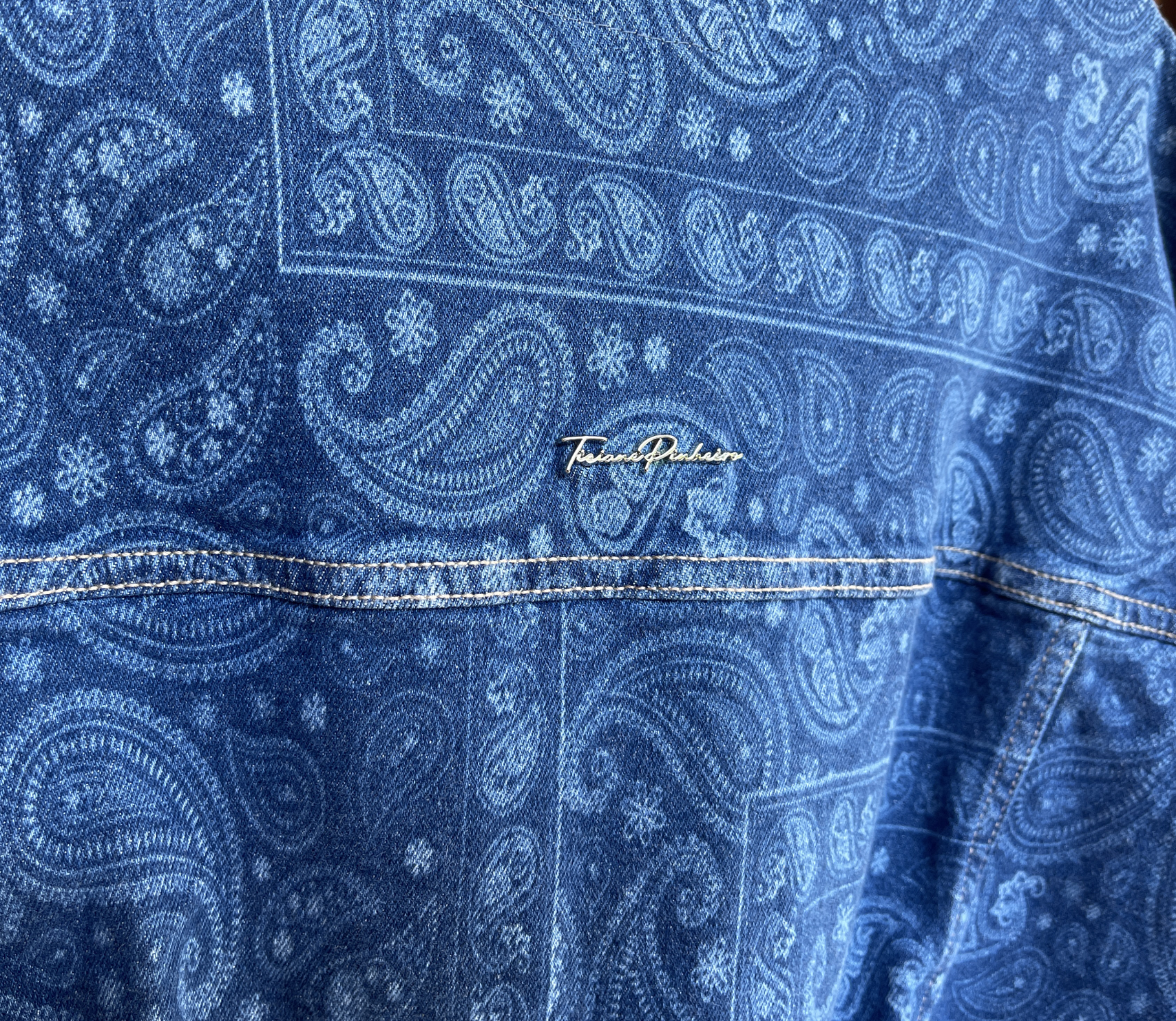
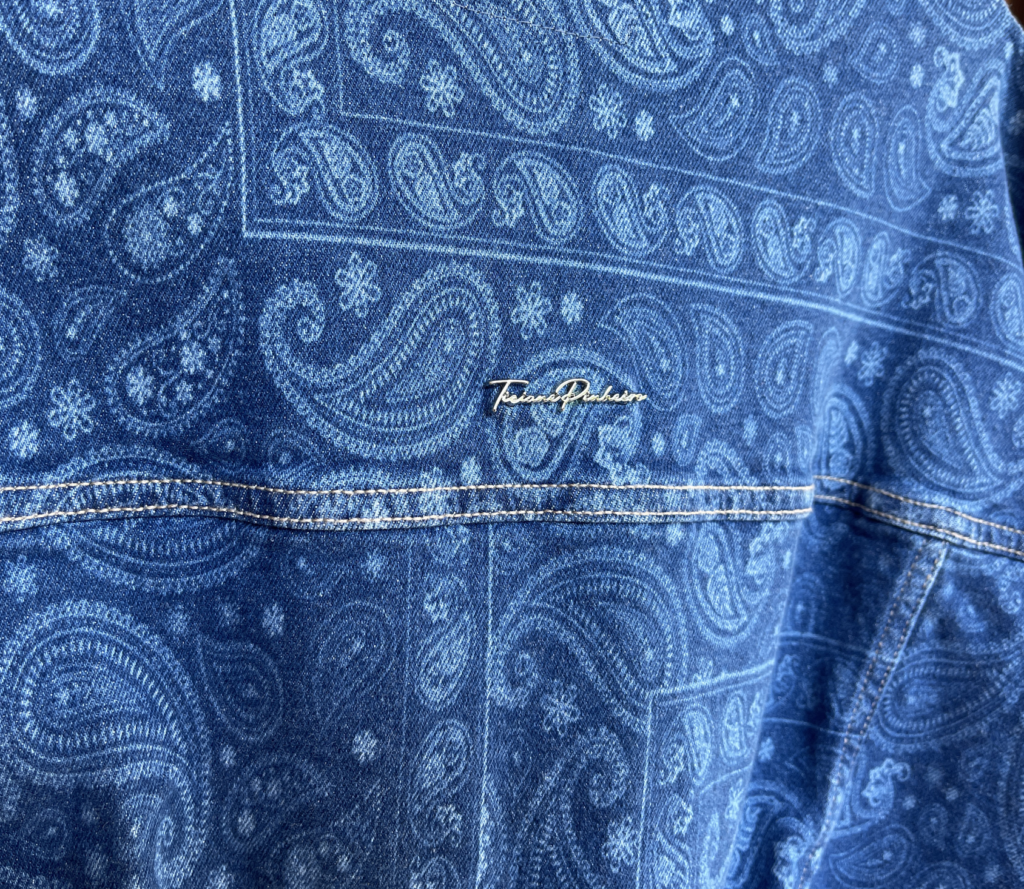
Another memorable project involved laser artwork on denim. The visual concept was strong, but laser processes require precise line thickness and artwork structure to be read correctly by the machine. Before full production, we requested small-scale tests. That decision made all the difference. Our first samples came out too fine, and some details were lost. We adjusted the artwork several times, balancing the brand’s desired look with what production could realistically achieve. After multiple rounds, we found the ideal line weight. Because we tested early, final production ran smoothly, fabric waste was reduced, and the collection performed extremely well commercially.
Experiences like these remind me that technical decisions are often invisible to the final customer, but they are frequently the reason a product succeeds. Because these processes happen behind the scenes, they can easily be underestimated or rushed in the pursuit of faster deliveries. We know that fast timelines are a common reality within the industry, but whenever possible, key steps such as proper testing, approvals, and quality control should be maintained to achieve the best possible results.
But how can we choose the best method or technique? Well, I do not believe there is one exact rule, but there are several key points and important questions we should consider before approving any print for production: Does this technique suit our budget? Does it work well with our fabric? Can the supplier execute it consistently? Does it support our timeline? Have we tested it physically? Does it align with the quality our customer expects?
These questions can help prevent unexpected surprises, costly rework, and unnecessary delays. In many cases, adjustments may require garments or materials to be sent back to the supplier, generating additional transportation costs, lost time, and repeated production steps. Beyond the cost of the product itself, these issues can disrupt the entire production calendar, both for the brand and for the manufacturer, often leaving less time available for final production.
This experience reinforced an important lesson: more techniques do not always create more value. The right technique creates value. Once priorities were clarified and methods were refined, the collection became stronger and the process healthier for everyone involved. The success of a print is determined not only by the strength of the artwork itself, which plays a key role in attracting customers and driving sales, but also by how intelligently it is produced, helping reduce internal costs, improve efficiency, and support a sustainable, healthier production process for the company.
Printing method is never a secondary detail. It shapes the entire lifecycle of a product, from concept to customer. In today’s fashion industry, where margins are tighter and speed matters more than ever, technical knowledge has become a competitive advantage. “The future of textile design belongs to professionals who can combine creativity with execution, aesthetics with practicality, and vision with production reality”.
As demonstrated throughout this discussion, the designer plays a critical role as a bridge between creativity and production. The ability to align visual intent with technical execution ensures that ideas are not only aesthetically strong, but also viable, scalable, and profitable.
Moreover, as technology continues to evolve, offering new possibilities in digital printing, materials, and finishing processes, designers must continuously adapt their knowledge and decision-making. The future of textile design lies in this balance, where creativity is informed by technical understanding and guided by real-world constraints. Additionally, designers can work in close collaboration with manufacturers to achieve this balance between technical feasibility and artistic impact, expanding possibilities for brands while contributing to a more innovative and connected fashion ecosystem.
Ultimately, successful design is not defined solely by visual impact, but by its ability to be effectively produced with quality, delivered on time, and experienced by the client. In this context, knowing which printing method to choose is not just a technical decision, it is a fundamental part of designing with intention, responsibility, and strategic vision.
Textile 2026, launching alongside FESPA Global Print Expo in Barcelona (19–22 May 2026), is where function, print, and production converge to shape the future of textiles.