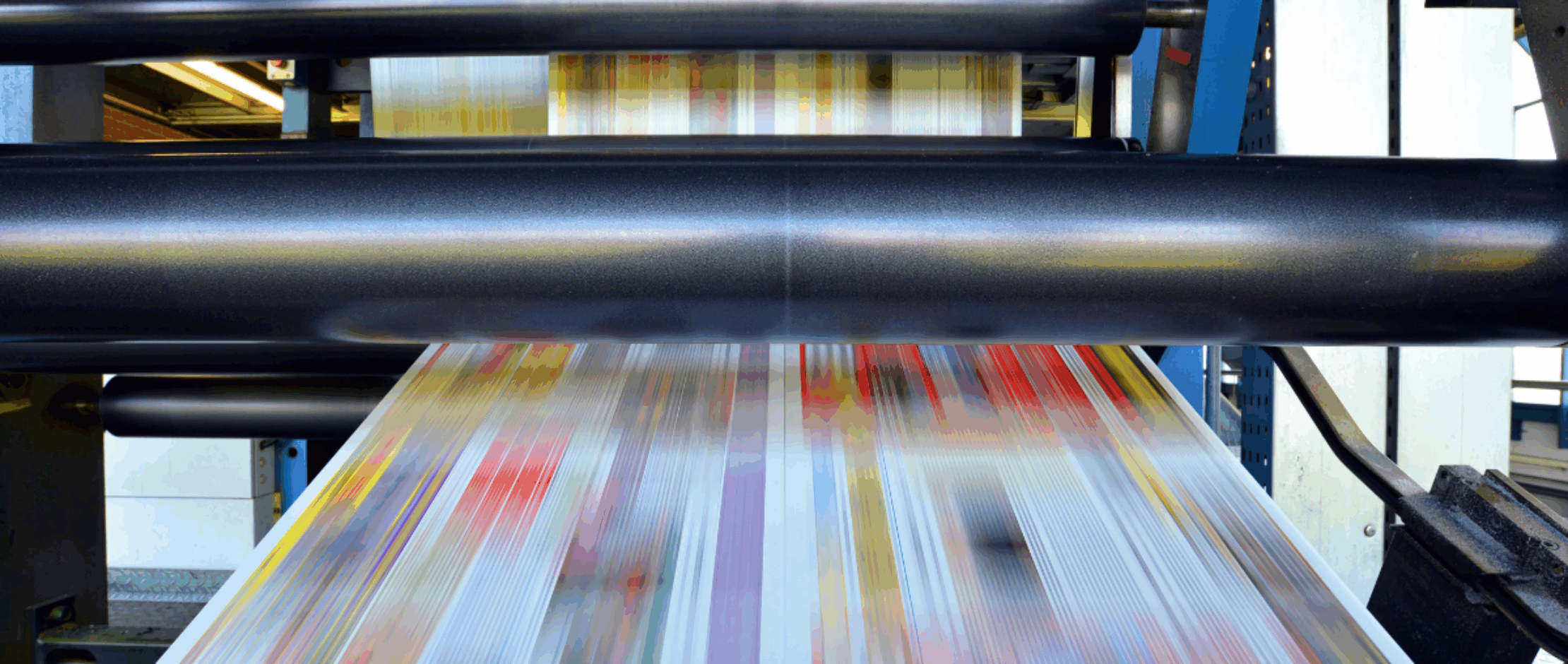
New technologies are transforming post-printing to achieve high-quality finishes with greater speed, precision, and less manual intervention.
In the competitive world of commercial and large-format printing, finishing automation has become an indispensable ally for increasing productivity and meeting the demands of shorter turnaround times and customized orders. From cutting and laminating to folding and die-cutting, post-printing processes are evolving rapidly thanks to the integration of smart, connected systems.
These solutions make it possible to maintain high quality standards, reduce the margin for human error, and optimize operating costs. For printers that handle high volumes or require a high product turnover, automation is not only a competitive advantage but also a strategic necessity.
Which finishing processes can be automated?
Today, many stages of the finishing process can be integrated into an automated workflow:
- Automatic cutting: Equipment with sensors and cameras that detect edges and perform precise cuts without manual intervention.
- In-line lamination and varnishing: Machines that apply finishing effects immediately after printing, without the need to move the material to another station.
- Digital die-cutting: Systems that eliminate the need for physical dies, ideal for short runs or custom designs.
- Smart Binding: Equipment that automatically adjusts the book’s format, cover, and spine thickness.
- Automated stacking and packaging: Robots that pick up, group, and package products ready for distribution.
Technology for Efficiency
Manufacturers such as Horizon, Duplo, MBO, and Morgana are leading the development of automated finishing solutions for digital and offset printing. Many of these machines are designed to integrate with MIS/ERP systems and workflow platforms such as Enfocus Switch or EFI Fiery, enabling end-to-end job management from file to finished product.

In addition, the use of smart sensors, machine vision, and IoT connectivity makes it possible to monitor production in real time, detect faults or misalignments, and make automatic adjustments to ensure consistent quality.
Key Benefits for the Industry
- Reduced downtime and errors: Less need for manual intervention means fewer production stoppages.
- Greater profitability for short runs: Automation that adapts to the demand for customization without increasing costs.
- Consistency and quality: More tightly controlled processes that ensure precise and repeatable finishes.
- Operational scalability: The ability to handle more orders without needing to increase staff.
- Resource savings: Less waste of paper, energy, and time.
Preparing for the Future of Finishing
With the growth of print-on-demand and customized orders, automating the finishing process allows print shops to adapt quickly to new demands without sacrificing efficiency. It also opens the door to experimenting with new types of substrates, formats, and premium finishes, without disrupting the production workflow.
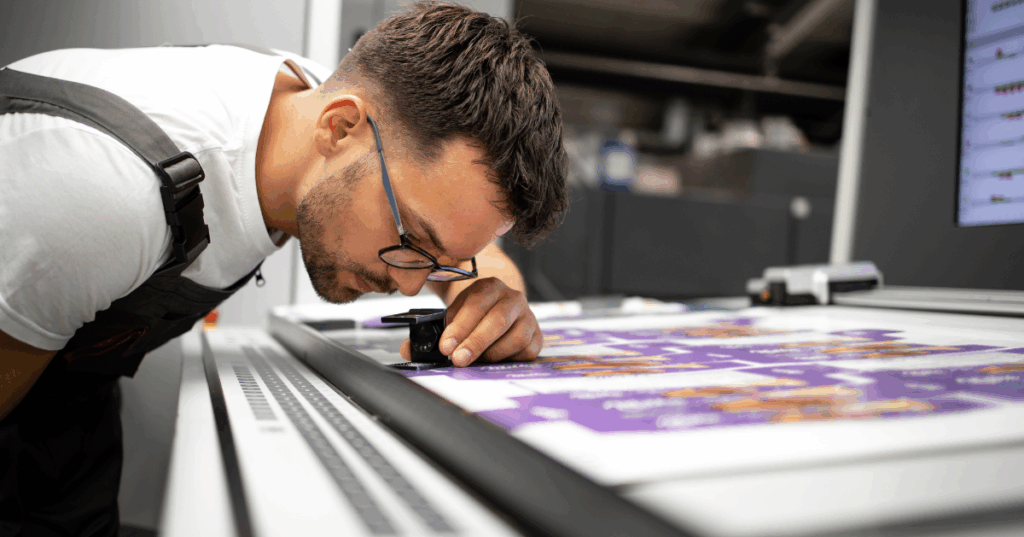
Adopting these technologies does not necessarily require large upfront investments: many solutions are designed to scale based on volume and can be gradually integrated into existing operations.