The ProcessStandard for Digital Printing is considered an important guideline. Nevertheless, many printing service providers are not entirely sure what it entails. Dr.-Ing. Julie Klein (JK), Prepress Technology Specialist at the Fogra Research Institute for Media Technologies e.V., therefore provides clarity in this interview.
FESPA: What exactly is the Process Standard for Digital Printing (PSD)—and how does it differ from other standards, such as the Process Standard for Offset Printing (PSO)?
JK: The Digital Printing Process Standard (PSD) contains guidelines and recommendations for industry-standard digital production. It incorporates numerous relevant ISO standards, with a focus on ISO 15311. The three main objectives of the PSD are:
- Output Process Control: The print quality is checked regularly to ensure it is correct.
- Color accuracy: Customer expectations are met.
- The Workflow: From data verification to the light booth, each step of the workflow is carried out to ensure the highest possible quality.
Given the wide variety of technologies in digital printing, the PSD always takes printing combinations into account. This means that the printing press, substrate, RIP, and color management software are considered together.
The PSD is process-agnostic and can be used for any digital technology. The Process Standard for Offset Printing (PSO), on the other hand, is tailored to offset printing and provides specific target values for offset processes.
FESPA: What specific benefits does the Digital Printing Process Standard offer printing service providers in their day-to-day production processes?
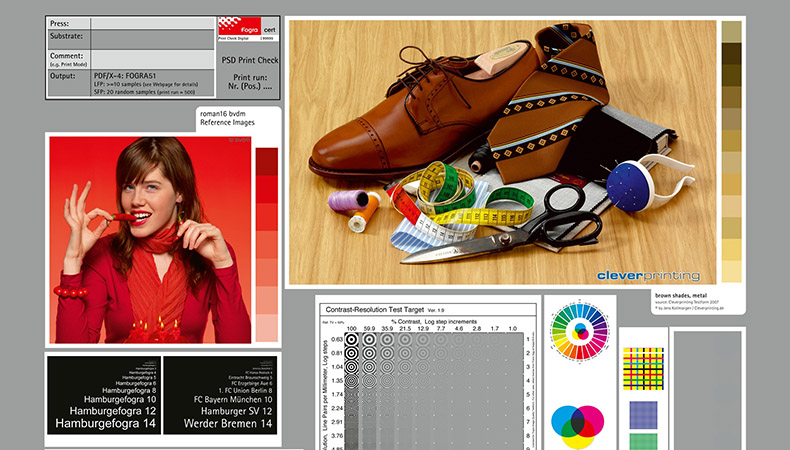
JK: The PSD is used to establish an internal quality management system. This includes, among other things, color measurements using the Fogra media wedge, handling PDF/X documents, quality documentation, and proofing. Workflows become clearer and more consistent, which has a positive impact on print quality and process reliability. Communication with customers also becomes easier.

FOGRA: How does the use of PSD affect quality assurance and the reproducibility of print results?
JK: Thanks to systematic process control using the Fogra media wedge, the systems are regularly checked and deviations are quickly detected. As a result, print quality is no longer evaluated subjectively, but objectively based on measurable criteria.
FOGRA: What role does the PSD play in communication between clients, agencies, and print shops?
JK: The PSD defines interfaces and measurement criteria so that clients, agencies, and printers all have the same expectations regarding color accuracy and print run consistency. One party expects exactly the results that are printed, and the other party prints exactly what is expected. This reduces the need for adjustments, follow-up inquiries, and complaints.
With PSD certification, a printing company can also demonstrate its quality and communicate this to the public. The list of certified companies is available at any time on the Fogra website.
FESPA: How complex is it to implement the ProcessStandard for Digital Printing into existing workflows—and what requirements must be met? What is the approximate cost of certification?
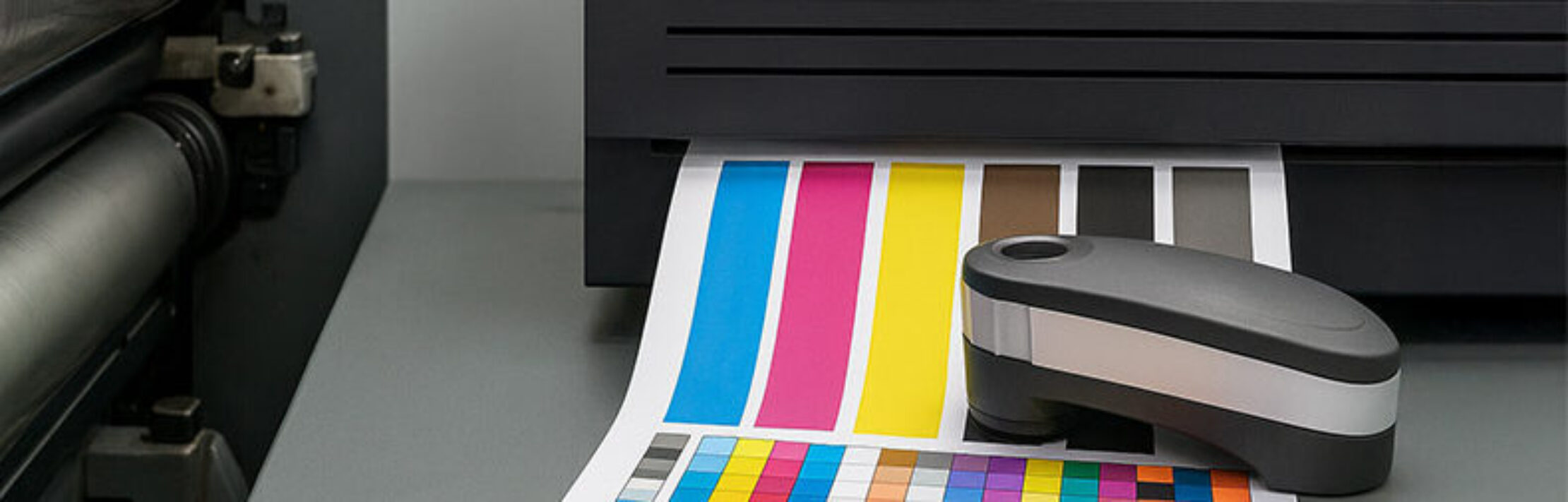
JK: The technical requirements include a manual spectrophotometer, software for color management and PDF editing, a standard lighting booth, and a license for the Fogra media wedge. The latter is sometimes already included in other software packages. Anyone who wants to print with high color quality anyway usually already has this kind of equipment.
Depending on the need, employees must be trained if they do not yet have the necessary expertise or if their skills need to be refreshed. Fogra or a Fogra Digital Print Partner can assist with this. The current costs of PSD certification can be viewed on the website.
FESPA: Are there measurable economic benefits to using PSD, such as reduced waste, shorter setup times, or improved color accuracy?
JK: Yes, there are economic benefits, such as fewer complaints or reprints, or more efficient processes that save time. PSD-certified printing companies report savings of 10–20% due to reduced testing efforts.
FESPA: How does the ProcessStandard for Digital Printing support the integration of soft proofs and color management systems?
JK: Color management is a mandatory component of the PSD. This involves reviewing the entire workflow, including ICC profiling and color transformations.
FESPA: What typical mistakes or misunderstandings do you encounter time and again when implementing PSD in companies?
JK: PSD isn’t just about the printing press. Some companies underestimate the impact of the substrate, the RIP settings, or how the measuring devices are used.
FESPA: How is the ProcessStandard for Digital Printing evolving—are there new versions, extensions, or adaptations to modern printing technologies?
JK: The PSD is discussed annually by Fogra’s Technical Advisory Board for Digital Printing. That is where decisions are made regarding which topics are relevant to the industry. For example, multicolor printing and textile printing—along with the corresponding Fogra media wedges—were integrated into the PSD. All interested parties are invited to participate and contribute to the further development of the PSD.
The PSD Handbook is available free of charge on the Fogra website in both German and English.
FESPA: For which companies is the PSD particularly beneficial—and are there cases where it is less relevant?
JK: If you expect reliable and consistent print quality, it’s worth using PSD.
Learn more about digital printing