Speed, customization, and efficiency are redefining corrugated cardboard packaging.
Printing on corrugated cardboard is undergoing a major transformation, driven by the boom in e-commerce, personalization, and the need to reduce lead times and costs. In this context, short runs have become a strategic opportunity, and this is where digital printing is beginning to demonstrate clear advantages over traditional flexography.
Without completely replacing it, digital technology is emerging as the ideal solution for certain business models, applications, and the demands of today’s market.
Brands are no longer looking solely for large, standardized volumes. Today, they demand flexibility, speed, and differentiation, with shorter product cycles and increasingly targeted campaigns. This has led corrugated converters to rethink their production processes.
In this environment, digital printing makes it possible to respond quickly to design changes, rapid product launches, and on-demand orders, without the complexity associated with preparing printing plates.
Why Does Digital Printing Have the Edge for Short Runs?
The main advantage of digital printing on corrugated board is its efficiency for small and medium-sized production runs. By eliminating the upfront prepress costs, setup time is drastically reduced, making the production of limited runs economically viable.
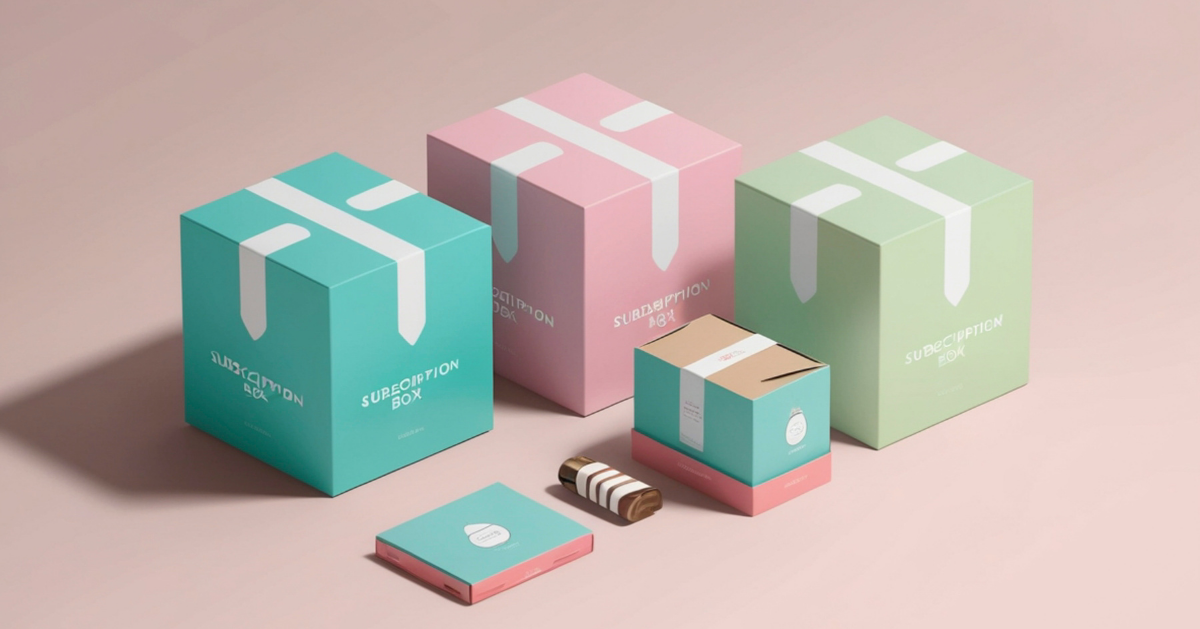
In addition, the ability to print variable data, multiple versions, or custom designs makes corrugated cardboard a powerful tool for branding and communication, even for low-volume productions.
Flexographic and Digital: Complementary Technologies
Flexography remains unbeatable for high-volume and repetitive jobs. However, digital printing adds value where flexo loses efficiency: in market tests, limited editions, seasonal promotions, or customized packaging for e-commerce.
More and more production facilities are opting for hybrid models that combine both technologies to maximize productivity and profitability.
Digital printing also contributes to more sustainable production. By printing only what is needed, inventory, waste, and overproduction are reduced. Combined with the use of water-based inks and recyclable substrates, digital corrugated packaging aligns with the environmental goals of brands and consumers.
From a business perspective, it allows us to offer services with greater added value, improve customer relationships, and open up new revenue streams.
Corrugated 2026: The Future of the Industry in Barcelona
This entire ecosystem will take center stage at Corrugated 2026, the new event dedicated to corrugated cardboard converters that will be held alongside FESPA Global Print Expo in Barcelona from May 19 to 22. In a city with a dynamic business environment and a strong international presence, Corrugated will establish itself as the industry’s leading event, showcasing the latest innovations, solutions, and market opportunities. It will be the key meeting place to discover technologies, share knowledge, and connect with the key players shaping the future of corrugated.