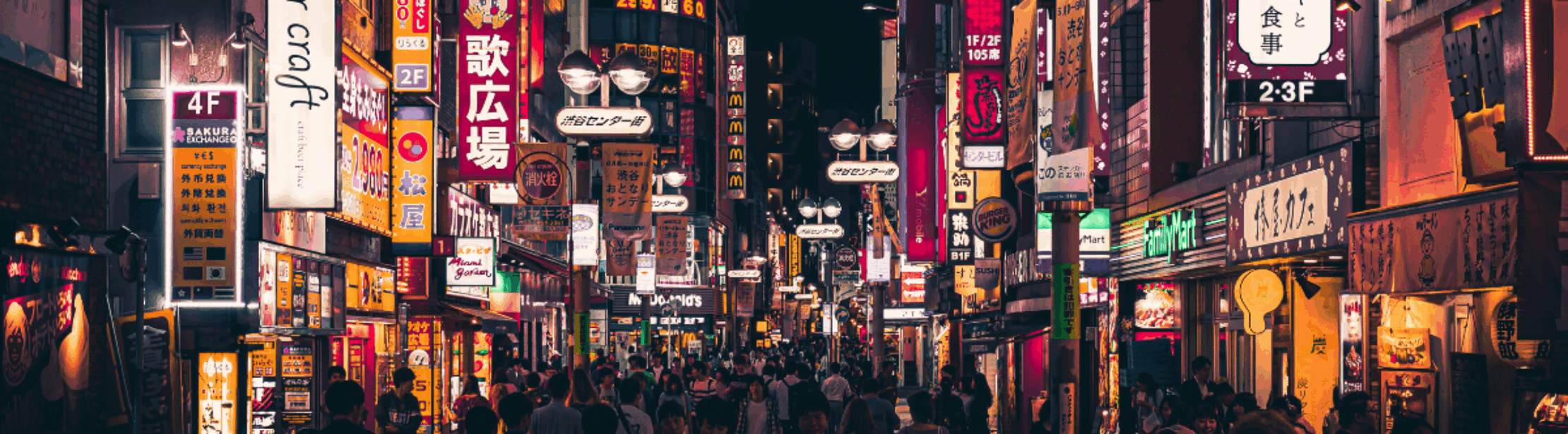
How Printed Signage Adapts to and Complements Digital Solutions to Enhance the Urban Experience
Smart cities are transforming the way we live, work, and get around. Equipped with sensors, real-time data, and digital solutions, they aim to improve urban efficiency and the citizen experience. However, digital technology does not completely replace physical communication: printed signage remains an essential component for integrating the digital and physical worlds.
The Challenge of Integration
In a smart city, residents expect clear, immediate, and context-specific information. From interactive maps to public transportation signage, visual communication must be consistent and accessible. This is where printing plays a key role: it enables durable, visible, and customizable materials that complement digital solutions, creating a more seamless and understandable urban experience.
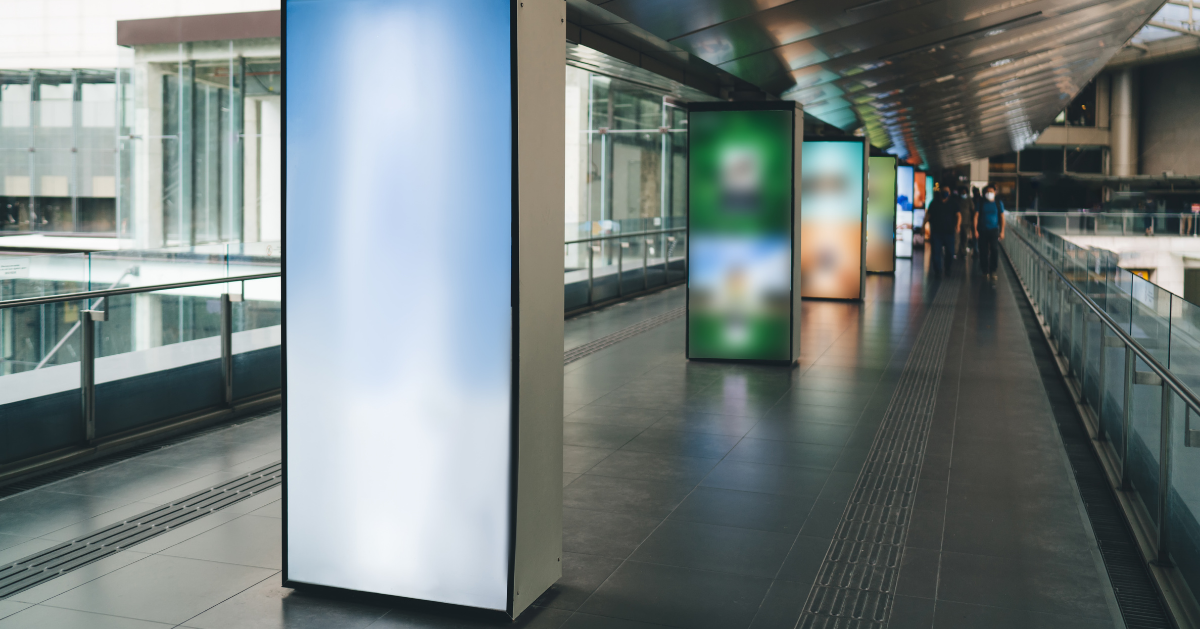
Hybrid signage: the best of both worlds
Hybrid signage solutions combine traditional printing with digital technologies, such as QR codes, interactive displays, or augmented reality. For example, a printed sign in a park might include a QR code that links to an up-to-date map of trails or events, while the printed portion ensures constant visibility, even when digital connectivity fails. This approach enhances accessibility and ensures that information reaches all citizens.
Sustainability and Personalization
Modern printing also contributes to the sustainability of smart cities. Recyclable materials and energy-efficient printing techniques make it possible to create durable, environmentally friendly signage. In addition, digital printing facilitates real-time customization, allowing messages to be tailored to the context, language, or even the time of day.
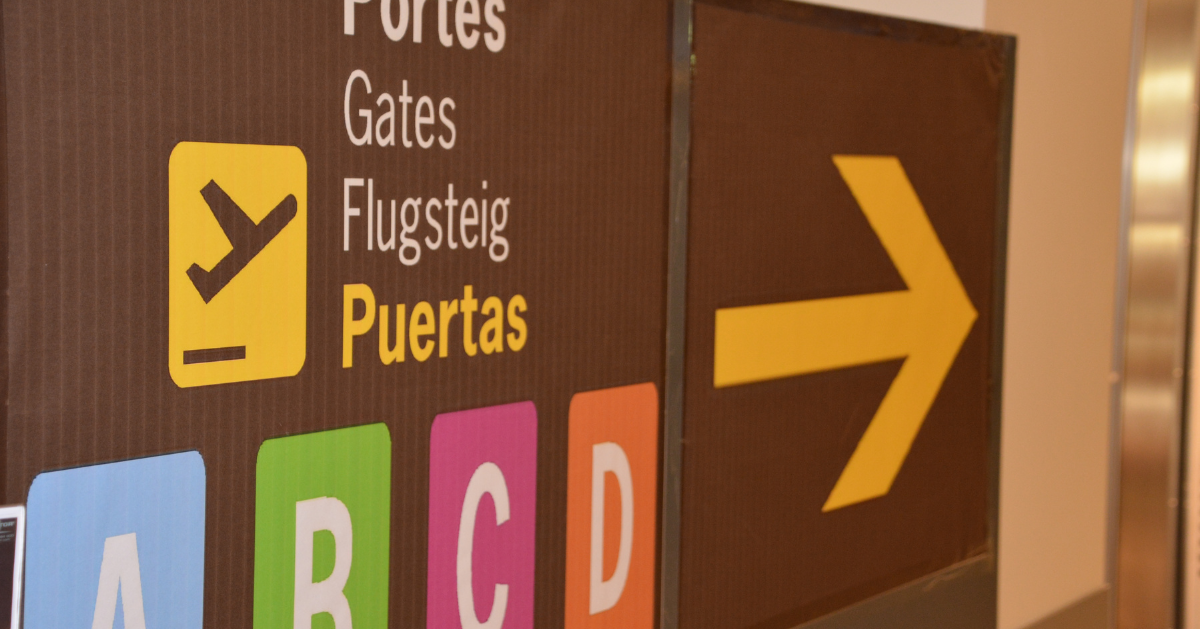
The Future of Street Signage
As cities continue to adopt smart solutions, collaboration between digital and print will become increasingly important. Well-designed signage not only guides and directs, but also serves as a point of interaction, communication, and connection between citizens and their environment. Printing professionals therefore play a strategic role in building smarter, more inclusive, and more sustainable cities.
Signage for smart cities demonstrates that print is not obsolete; on the contrary, it adapts and evolves to integrate with digital technologies. The combination of these two worlds offers more comprehensive and accessible urban experiences and ensures that information is always within everyone’s reach, regardless of connectivity or device.