Outdoor materials designed for extreme weather conditions.
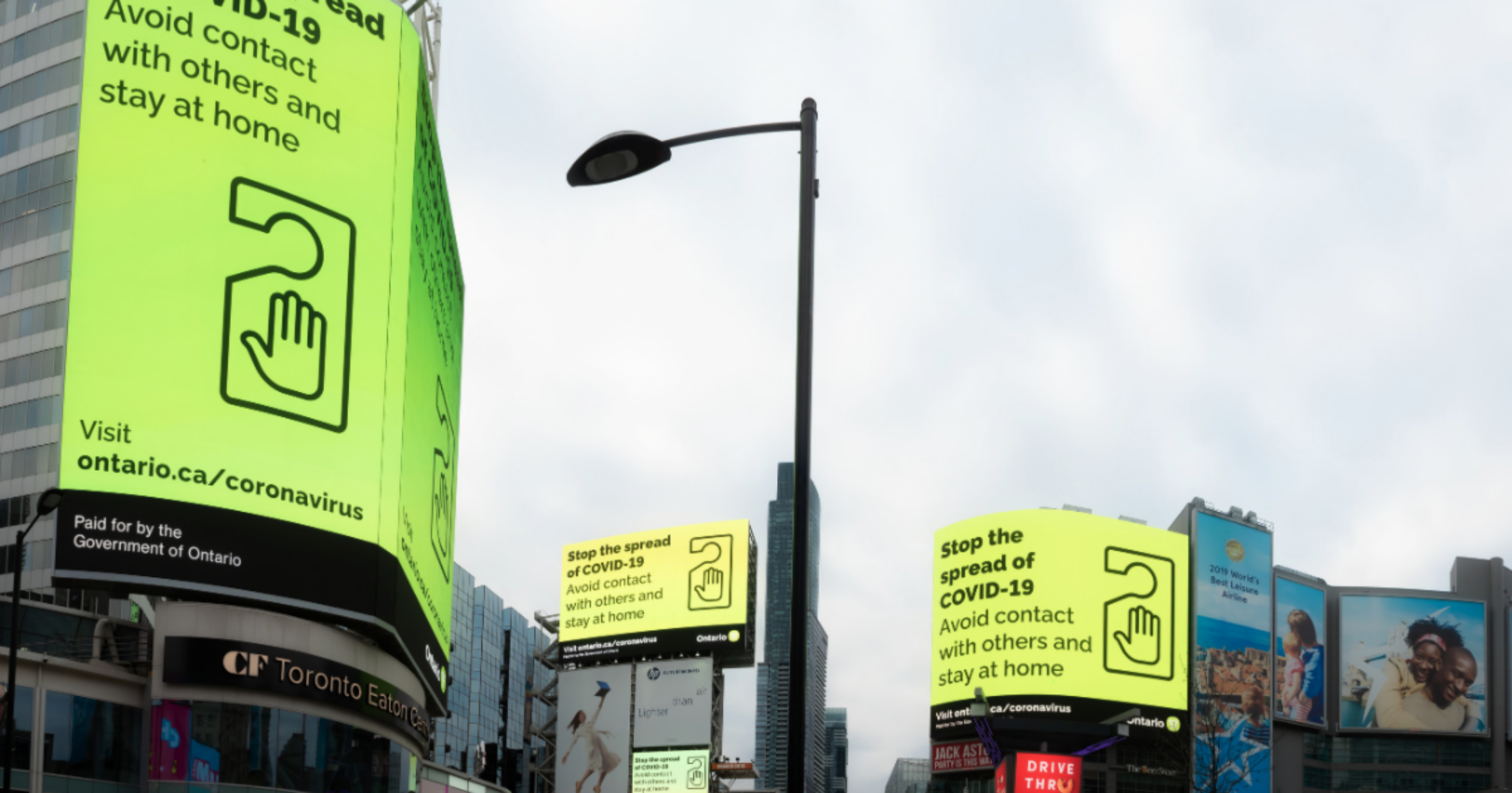
Outdoor signage has always been a test of endurance. But today, in the face of more intense weather events, more demanding usage cycles, and greater pressure for sustainability, choosing the right material is no longer just a technical decision—it’s a strategic one. From extreme heat and UV radiation to constant humidity, wind, salt exposure, and freezing temperatures, graphic displays must perform without compromising visual quality or durability.
In this context, the large-format industry is evolving rapidly, developing materials and solutions specifically designed to withstand and excel in extreme environmental conditions.
Materials That Can Withstand Pressure (and the Weather)
The first line of defense against the elements is the substrate. In outdoor applications, traditional materials have given way to more technical and specialized options. High-strength polymeric and cast vinyls, for example, offer greater dimensional stability and a longer service life even under constant sun exposure. In regions with high UV radiation, these materials reduce the risk of discoloration, shrinkage, or cracking.
In humid or coastal environments, where salinity and corrosion are critical factors, aluminum composite panels, engineering plastics, and coated textiles—designed to repel moisture and prevent structural deterioration—are gaining prominence. In cold areas or those with large temperature fluctuations, the material’s flexibility is key to preventing breakage and adhesion failure.
Added to this are the inks: state-of-the-art UV, latex, and eco-solvent formulations offer greater resistance to light, abrasion, and atmospheric agents, allowing graphics to maintain their visual impact for longer, even in extreme environments.
Durability, sustainability, and long-term performance
Weather resistance can no longer be separated from sustainability. Increasingly, suppliers are developing outdoor materials that combine a long service life with a lower environmental impact. Recyclable substrates, PVC-free solutions, and inks with improved environmental profiles enable print providers to offer durable signage without compromising their sustainability goals.
Furthermore, greater durability means fewer replacements, less waste, and a lower total cost of ownership for brands and advertisers. In this regard, investing in materials designed to withstand extreme weather conditions not only protects the visual appeal of the message but also the project’s profitability.
In a world where outdoor signage must be more visible, more durable, and more sustainable than ever, choosing the right material makes all the difference. Innovation in substrates and printing technologies is redefining what it means to be “weather-resistant,” ensuring that visual communication continues to function no matter what the forecast says.
European Sign Expo 2026: The Meeting Place for the Sign Industry
Visitors will be able to discover at European Sign Expo 2026 the full spectrum of non-printed signage, from 3D letters and dimensional signage to digital, architectural, and illuminated displays. Sign manufacturers and installers, as well as brands and designers, will find a unique space to explore cutting-edge solutions that transform spaces and create connections with audiences. European Sign Expo 2026 will be the ideal opportunity to find inspiration, learn, and connect with the leaders who are shaping the future of signage.