Redefine label production with millimeter-level precision, design flexibility, and maximum efficiency.
In a market where customization, speed, and visual quality are essential, laser cutting has established itself as one of the most innovative technologies in the packaging and labeling industry. Compared to traditional methods, laser systems offer greater precision, less material waste, and unprecedented flexibility for creating complex designs without the need for physical dies.
Demand for premium, customized, or limited-edition labels has grown significantly, driven by sectors such as cosmetics, wine, gourmet foods, and pharmaceuticals. In this context, laser cutting not only enhances aesthetics but also optimizes production flow, allowing for rapid adaptation to design changes or short runs.
How Laser Cutting Works for Labels
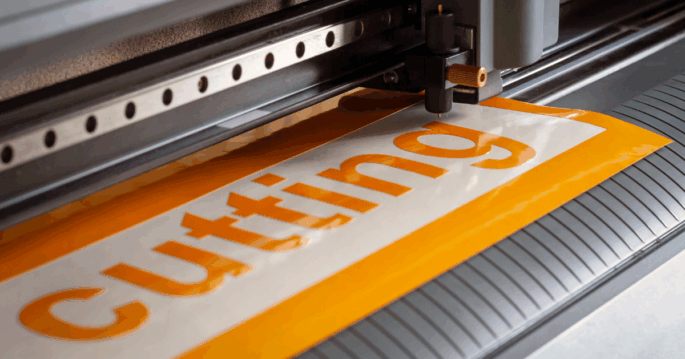
The laser cutting process uses a high-energy beam of light to cut, engrave, or drill holes in materials with extreme precision. Unlike conventional die-cutting, which requires metal dies, laser cutting relies on software and digital systems that interpret design files (such as PDFs or vector files), eliminating the need for physical tools and drastically reducing setup times.
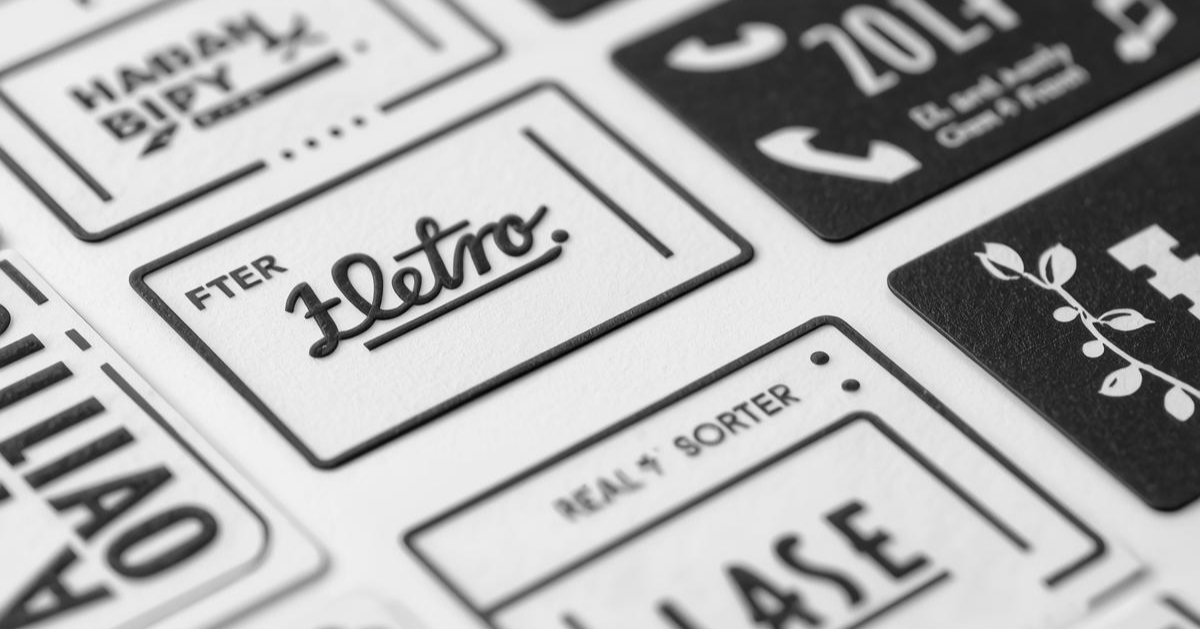
Among the most commonly used materials are:
- Self-adhesive and synthetic papers for food and beverage labels.
- Plastic films (PET, PP, BOPP), ideal for flexible, moisture-resistant packaging.
- Metallic and holographic materials for high-value-added decorative labels.
Advantages of Laser Cutting for the Packaging Industry
- High precision: clean cuts and sharp edges, even in intricate designs.
- Total flexibility: allows for immediate changes to cutting patterns without having to manufacture new dies.
- Production efficiency: shorter setup times and faster processing speeds.
- Waste reduction: Contactless cutting prevents damage to the material and improves material utilization.
- Support for short runs: ideal for custom orders or design proofs.
Sustainability and Energy Efficiency
Beyond precision, laser cutting contributes to more sustainable production. By eliminating metal dies and reducing waste, it minimizes resource consumption and reduces the environmental footprint. Modern systems also optimize energy use, operating with less impact and extending the service life of components.
In an environment where packaging has become a strategic branding factor, laser technology represents a key investment for printers seeking differentiation, sustainability, and visual excellence.
Learn more about packaging