
How sustainability and performance are coming together to transform modern textile printing.
The textile printing industry is undergoing rapid transformation. Advances in inks are aimed not only at improving the quality and durability of prints, but also at meeting the growing demand for sustainable solutions. In this context, ink manufacturers and developers are exploring innovative formulations that combine high performance with a lower environmental impact.
Key Trends in Textile Inks
1. Sustainable Inks
Sustainability has become a central focus for the industry. New textile inks aim to reduce the use of harmful chemicals, solvents, and water. Among the most notable trends are:
- Water-based inks: Ideal for cotton and natural blends, they produce fewer volatile organic compound (VOC) emissions and are safer for workers.
- Biodegradable and recyclable inks: Some formulations are designed to be completely biodegradable or recyclable along with the printed fabric.
- Natural pigments: Derived from plants or minerals, these pigments are gaining ground in eco-friendly collections and sustainable clothing.
2. High Performance and Durability
Performance remains a critical factor. Recent innovations focus on:
- Wash and lightfastness: Inks that retain their color and intensity even after multiple washes and exposure to sunlight.
- Compatibility with different fabrics: From cotton and polyester to technical blends, modern inks adapt to different fibers while maintaining consistency and quality.
- Fast drying and production efficiency: This allows for higher production line speeds and lower energy consumption.
3. Digital Inks and Customization
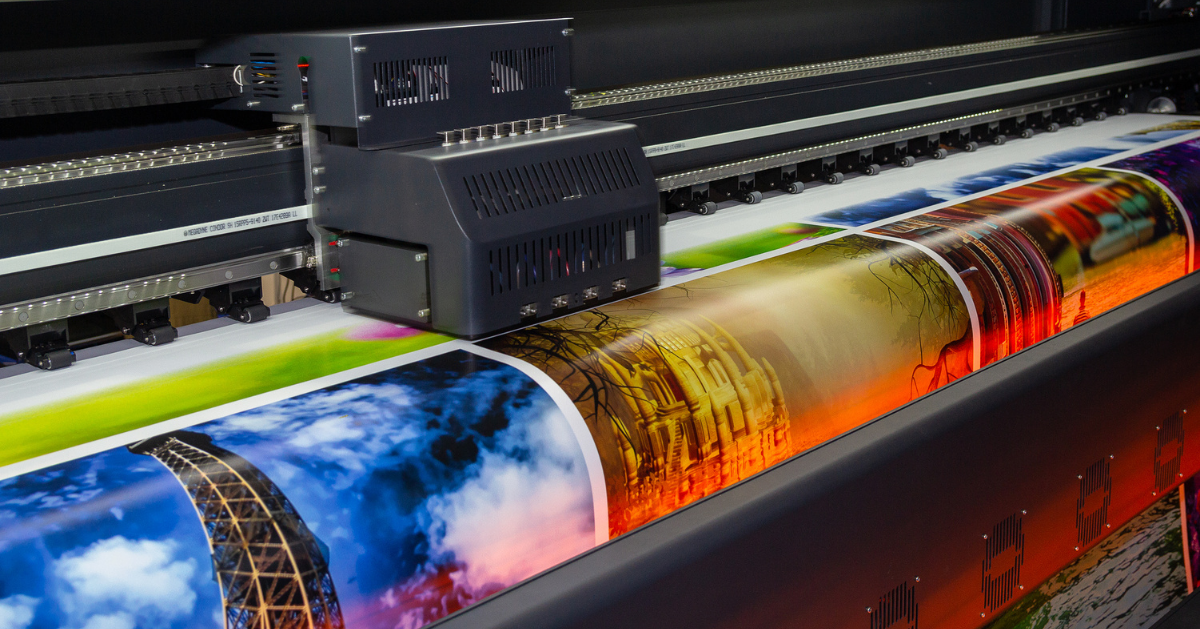
Digital textile printing continues to grow thanks to its ability to offer:
- Customization and short runs: Ideal for fashion and promotional items.
- Waste reduction: Digital printing allows ink to be applied only where it is needed, minimizing waste.
- Compatibility with hybrid technologies: The combination of digital printing and traditional techniques opens up new creative possibilities.
Notable Innovations from Suppliers
Ink manufacturers invest in research to develop solutions that balance sustainability and performance. Some examples include:
- Sublimation inks with a lower environmental impact: They reduce the use of toxic additives and penetrate deeply into synthetic fibers.
- UV-curable inks: They enable durable prints with lower energy consumption and without the need for large volumes of water.
- Hypoallergenic formulations: Ideal for children’s clothing and sportswear, and compliant with international safety standards.
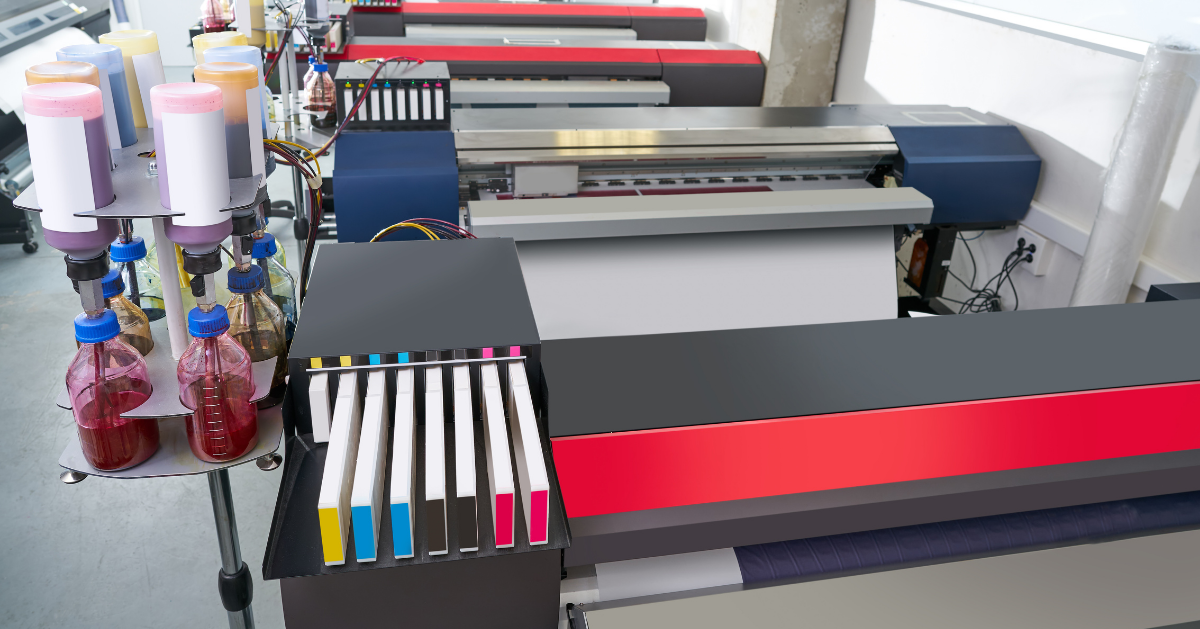
Innovation in textile inks not only improves the visual and technical quality of products but also addresses global pressure for more sustainable processes. For printers, staying abreast of these innovations means not only offering high-quality products but also aligning with the demands of conscious consumers and stricter environmental regulations.
Ultimately, the development of eco-friendly, high-performance inks represents an opportunity for the textile industry to move toward more responsible practices without sacrificing creativity or efficiency.
Learn more about sustainable materials here