Visit Personalisation Experience 2026
Discover the latest in personalisation and customisation, with conferences, networking opportunities and interactive opportunities. This is your chance to explore how the future of personalisation is evolving.
Rob Fletcher explores how the shift from uniform scale to individual expression is driving a strategic pivot in the print industry. By leveraging variable data and automation, businesses are moving beyond price-driven competition toward higher-margin, experience-led services in packaging, textiles, and décor, following the industrial-scale success of landmarks like ‘Share a Coke.
Globally, the print industry is undergoing a quiet but powerful transformation. Where once scale and uniformity defined success, today it is individuality that captures attention, with personalised print witnessing huge growth in recent years.
Be this variable data printing, bespoke packaging, or customised textiles, personalised print is reshaping how print businesses create value and how customers engage with products, presenting them with a huge opportunity to capture all manner of work across a host of markets.
What is more, advances in digital print technology, automation, and data integration have made it possible to deliver highly tailored outputs at speed and scale. What was once complex and costly is now increasingly accessible, opening new commercial opportunities across sectors from retail and interior décor to fashion and promotional goods.
For print companies, this shift is more than a trend; it is a significant strategic pivot. Offering personalisation allows businesses to move beyond price-driven competition and towards higher-margin, experience-led services. It also creates stronger, longer-lasting relationships with clients who are looking for differentiation in crowded markets.
The opportunity is clear, but where should print businesses focus to see the strongest returns? The most successful adopters of personalisation are not trying to do everything at once. Instead, they are targeting high-impact applications where customisation adds tangible value, whether through enhanced customer experience, increased engagement, or premium pricing.
Several key areas are emerging as particularly fertile ground for growth, combining creative potential with proven commercial demand. First up, personalised packaging has become one of the most standout success stories in print. From short-run seasonal designs to fully variable campaigns, brands are using packaging to create direct, individual connections with consumers.
The ability to economically produce multiple versions, featuring names, locations, or unique graphics, has transformed packaging into a powerful marketing channel rather than simply a container.
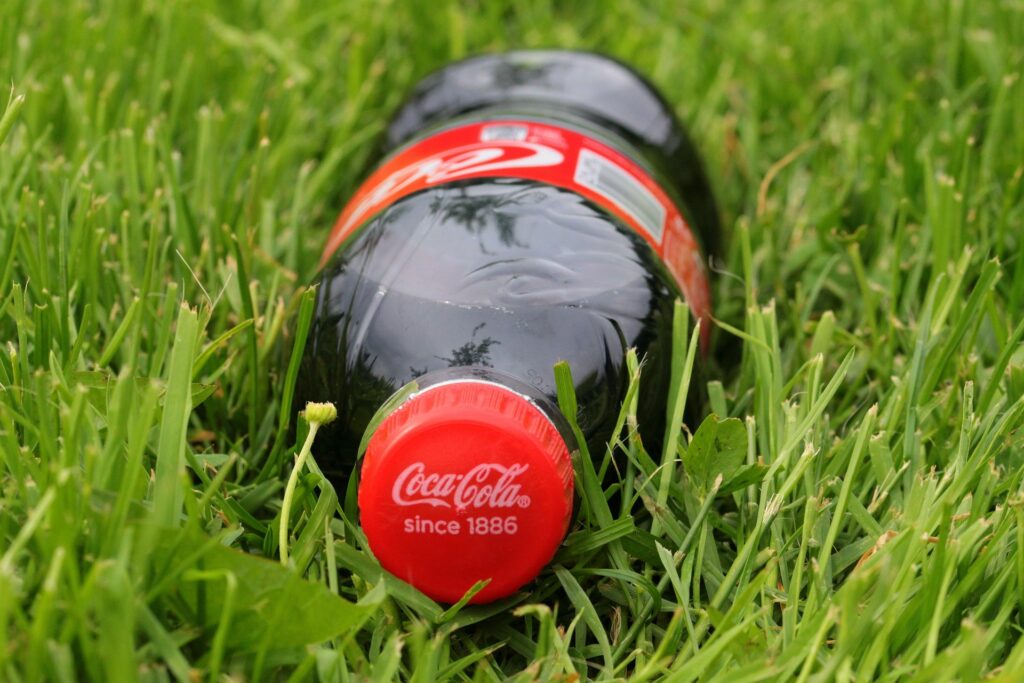
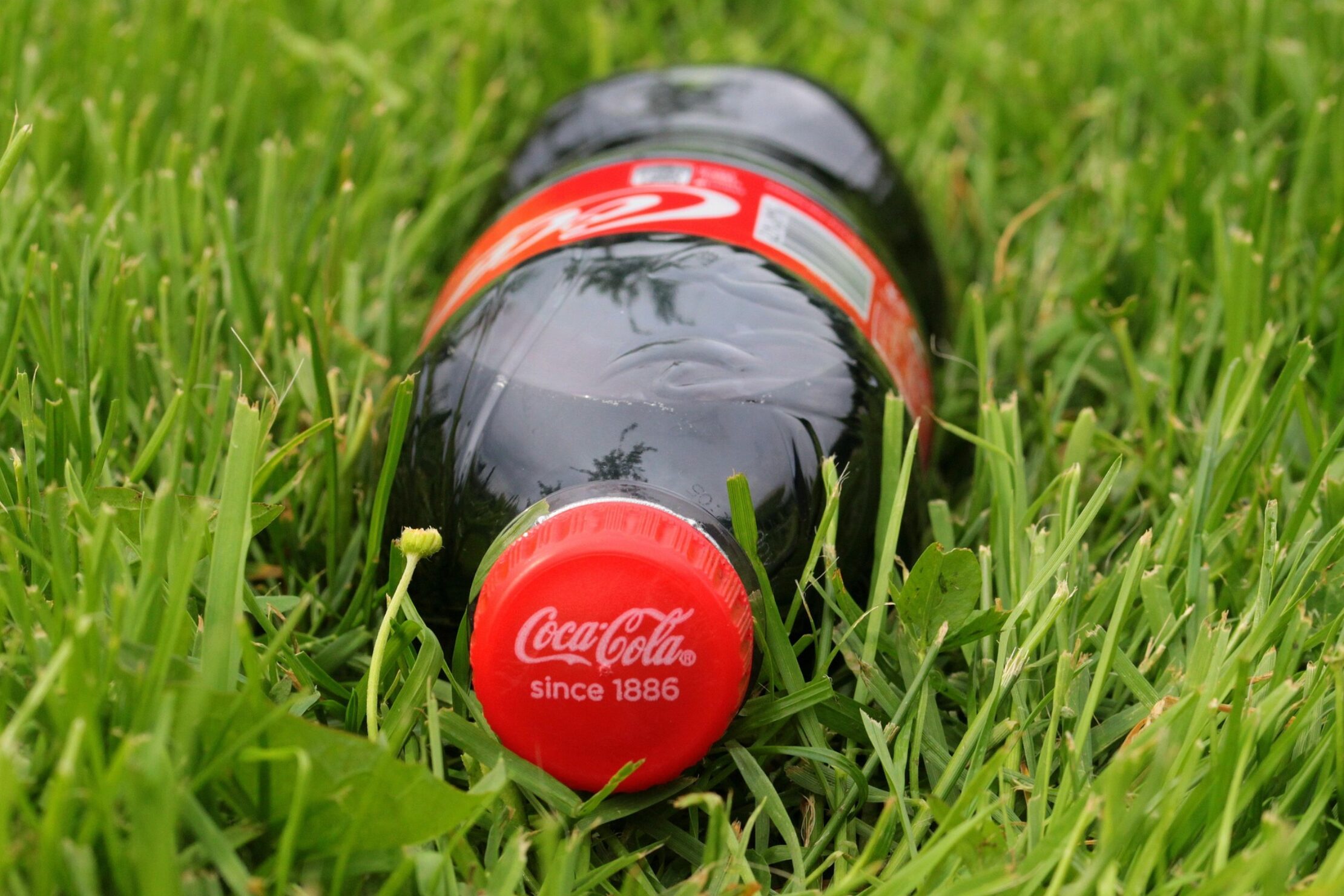
One of the most memorable examples of this is Coca-Cola’s ‘Share a Coke’ campaign, which saw the brand personalise drinks bottles and cans with individual names. While it was technically a form of de-branding – replacing the logo with personal names – it retained the iconic red and white colour scheme, striking a careful balance between familiarity and novelty.
Crucially, the campaign demonstrated how personalisation could operate at true industrial scale. Millions of unique labels were produced using variable data printing, proving that mass customisation was not only technically viable, but commercially powerful.
It also tapped directly into consumer behaviour. By encouraging people to find, share, and gift bottles with their own name or those of friends and family, Coca-Cola turned a simple product into a personal experience. In turn, this drove extensive social media engagement, with user-generated content amplifying the campaign far beyond traditional advertising channels.
The result was not just increased visibility, but measurable sales growth and renewed brand relevance, particularly among younger audiences. For the print industry, it served as a landmark moment, showcasing how data-driven personalisation could transform packaging into a dynamic, interactive marketing tool rather than a static medium.
Campaigns such as this very much set the benchmark for what personalisation in print could achieve. However, what was once the preserve of global brands with significant budgets is now far more accessible. Advances in digital print, workflow automation, and web-to-print platforms mean that businesses of all sizes can deliver tailored, data-driven output—often with minimal setup and at commercially viable volumes.
As a result, personalisation is no longer confined to headline-grabbing campaigns. It is becoming embedded across everyday print applications, opening up new and scalable revenue streams for print service providers. From packaging and textiles to décor and direct mail, personalisation is enabling print businesses to move into higher-value, experience-led work.
Keeping with packaging for the moment, growth here is being driven by brands seeking greater engagement and faster campaign cycles, with digital label presses and inkjet packaging systems enabling economical short runs and versioned designs. At the same time, variable data printing allows for regionalisation, limited editions, and fully personalised packaging, without the need for plates or lengthy setup. As such, it offers strong margins and repeat business, particularly for those able to deliver quick turnaround and handle multiple SKUs efficiently.
Elsewhere, technologies such as direct-to-garment (DTG), direct-to-film (DTF), and dye sublimation are powering growth in customised fashion, sportswear, and promotional apparel. Integration with ecommerce platforms allows customers to personalise products in real time, feeding directly into production workflows. With a relatively low barrier to entry, with scalable growth through web-to-print and fulfilment models, this could be attractive for some printers.
Advances in UV, latex, and dye-sublimation wide format print are opening up opportunities in personalised wallcoverings, signage, and interior décor. From one-off residential installs to branded commercial environments, custom graphics are increasingly in demand, with this work often higher in value and therefore single projects bring with them a bigger return, particularly for those offering design support and installation.

Further still, high-speed inkjet and toner presses, combined with sophisticated variable data software, are enabling highly targeted direct mail campaigns. Personalised messaging, imagery, and offers can be tailored to individual recipients, often integrated with digital channels such as QR codes and personalised URLs, presenting printers with a possible move into wider marketing services.
Finally, UV printing, sublimation, and transfer technologies are making it easier to customise items like mugs, phone cases and gifts. Web-to-print storefronts and product configurators streamline ordering, making personalisation accessible to both consumers and corporate buyers.
For printers, the route to success lies in focus and execution. Rather than investing broadly in new machinery, many are seeing the greatest returns by aligning their existing capabilities with one or two high-growth applications, then building out from there.
However, investment in the right technology is only part of the equation. Equally important is workflow automation, from file handling and variable data processing through to finishing and dispatch. Without this, even the most creative personalised applications can become inefficient and difficult to scale.
There is also a growing role for software, particularly web-to-print platforms and design tools that allow customers to create or customise products themselves. By shifting part of the process upstream, printers can reduce friction, increase order volumes, and unlock new revenue streams.
Perhaps most significantly, personalisation is changing the nature of the printer–client relationship. No longer just manufacturers, print businesses are becoming partners in campaign delivery, product development, and customer experience.
This offers plenty of food for thought for those seeking to move into new sectors or those keen to evolve their existing offering. This May, the Personalisation Experience 2026, which will run alongside the FESPA Global Print Expo 2026 in Barcelona, will offer incredible insight into the opportunities with personalised print.

Discover the latest in personalisation and customisation, with conferences, networking opportunities and interactive opportunities. This is your chance to explore how the future of personalisation is evolving.