Nita Odera, Director of Strategy at Blue Rhine Industries discusses how the Middle East is redefining digital signage by prioritising user experience and digital integration over mere hardware. Driven by ambitious initiatives like Saudi Vision 2030, the region treats signage as a cohesive ecosystem. By designing “experience-backwards,” they create agile, functional environments that enhance community engagement and drive economic growth. Nita will be speaking at the FESPA Conference and will share insights from working in the region and how this has shaped her perspective on digital transformation.
I’m delighted to be joining the FESPA Conference to explore how the Middle East is redefining digital signage, and what practical lessons this fast-moving region offers for our industry’s future.
Digital signage is everywhere. We are a core part of the built environment, and businesses and governments rely on us for effective visual communication. We guide people through public spaces, share the latest offers, and broadcast messages that keep people safe.
We do not just make the environment look bright. We keep it functioning seamlessly, while making life easier for everyone.
This is why digital signage in the Middle East is so fascinating. The region is an experimental space, and its people have a passion for innovation. Economies are young but ambitious, understanding that built environments should be experiences as well as functional. Our industry’s expertise is key to achieving this vision.
Unparalleled development shaping business success
Ambitious strategies for economic and societal development are shaping the future of the Middle East. Initiatives such as the Dubai Economic Agenda ‘D33’ and Saudi Vision 2030 have set goals for exponential growth over the next decade.
Having been based in the UAE since 2015, I have seen the region change first-hand at an unprecedented scale and pace. What stands out is not just the ambition, but the way it is delivered. Businesses have incredible opportunities here to experiment with new technologies and be innovative, with the government supporting you in your success.
They understand that to succeed in a fast-paced global economy, you need to move quickly while planning for long-term success. Dubai alone aims to double its economy by 2033 and increase economic productivity by 50% through innovation and digital adoption.
The Middle East designs from experience backwards, not from compliance forwards. Both still matter, but they evolve alongside each other. Infrastructure is still relatively new, which means systems can be freshly designed and integrated from day one. This is why global technology pilots often happen here first, ensuring development happens fast without losing direction.
It is also a region that is agile and confident. Businesses, governments and communities have the strong ability to adapt, respond to change, and weather uncertainty while continuing to grow.
Signage creates communities
Digital signage and wayfinding provide a connected layer that keeps spaces and communities working as they evolve. They guide people through environments, reduce confusion, and ensure that information reaches those who need it quickly.
At the same time, they do more than guide. The same systems can:
- Disseminate important government messages such as safety updates or alerts
- Deliver campaigns that make people feel aspirational and engaged as community members
- Generate customer spend by making it easier to interact with your business
This is where signage shifts from surface to substance.
Confusion leads to stress, queues, lost revenue and poor brand perception. Clear, well-integrated signage infrastructure improves flow, builds confidence and keeps environments working as they should.
The gap is not hardware. The gap is digital integration and prioritising user experience.
Middle East economies are innovating – and succeeding
This approach is already visible across the region.
Blue Rhine Industries is proud to have been the preferred signage and wayfinding partner on projects such as Dubai Fountain and Riyadh’s King Abdullah Financial District. These are not just installations. They show how signage becomes part of a wider digital ecosystem.
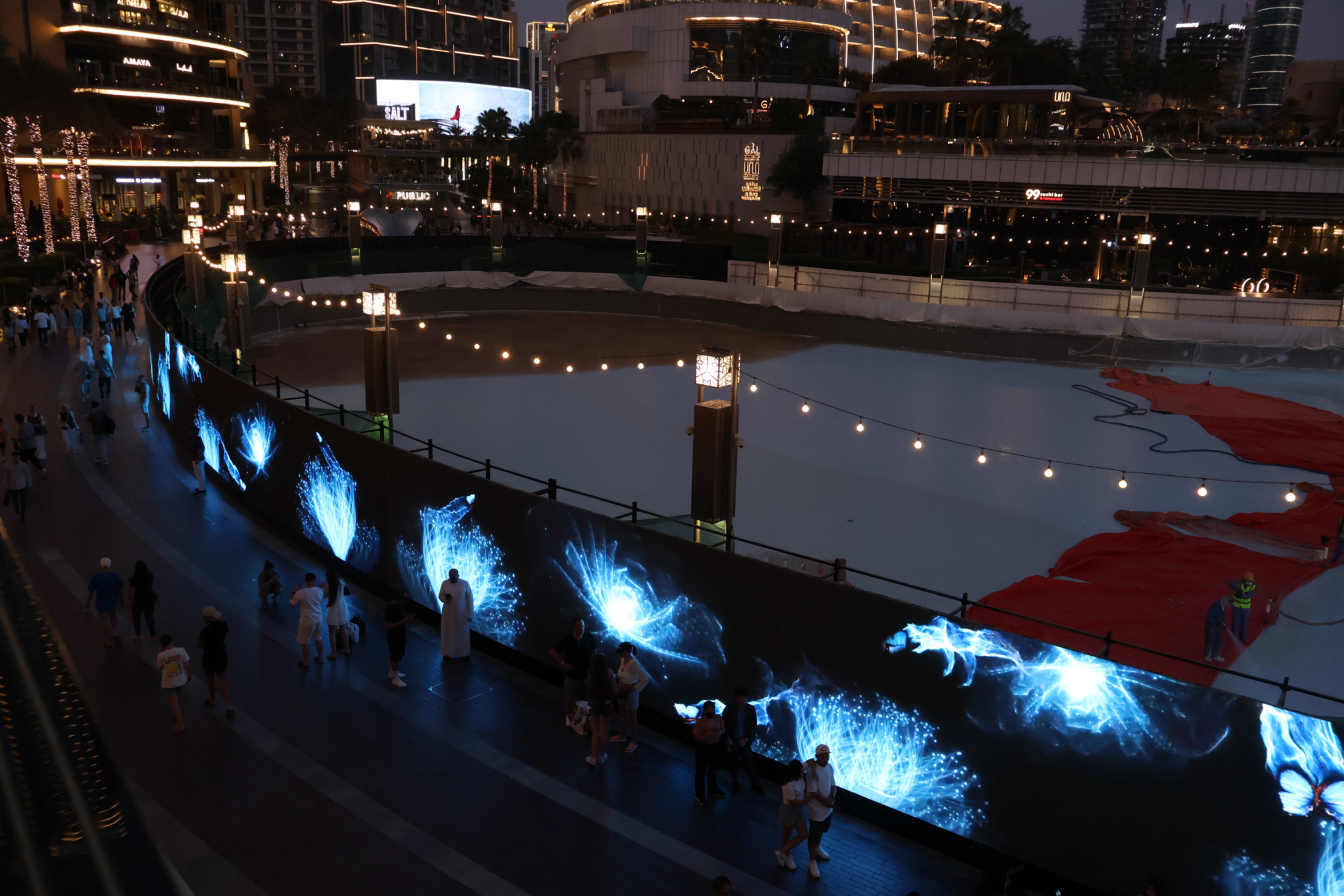
At Dubai Fountain, during refurbishment, the world’s largest digital screen was installed to maintain engagement within the space. Rather than leaving a gap in experience at this iconic tourist attraction, the area around the fountain instead remained interactive, creating a striking visual experience and continuing to delight visitors.
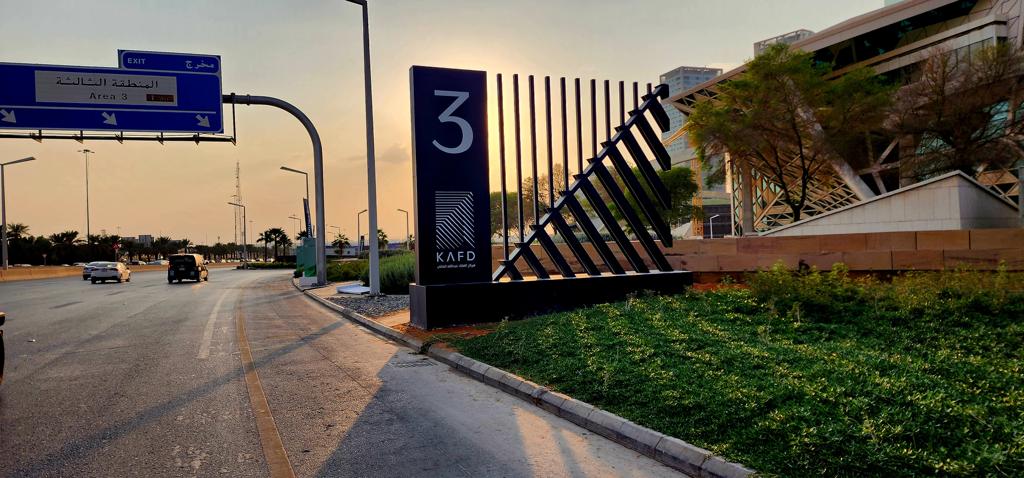
At King Abdullah Financial District, a 1.6 million square metre development with a mix of cultural, dining, business and leisure experiences, digital wayfinding supports a highly complex environment. It is also the largest development globally to achieve LEED Platinum certification.
This is how signage scales and promotes community and economic development, moving from individual touchpoints to something much more cohesive and meaningful.
Diving deeper at the FESPA Conference
During my session, I will share insights from working in the region and how this has shaped my perspective on digital transformation.
The session will focus on why the Middle East is leading digital signage into the future, and how they are putting innovation into practice. Using lessons from my own work, I will showcase how smart signage and wayfinding can be integrated across complex developments and what this means for the future of communities.
Attendees will gain practical insight into what works, what promotes growth, and how these approaches can be applied in contexts across the world.
More importantly, the session will challenge how we think about digital signage itself and encourage us to always keep innovating.